Moon Bars: A Buyer’s Guide to Magic Mushroom Chocolate
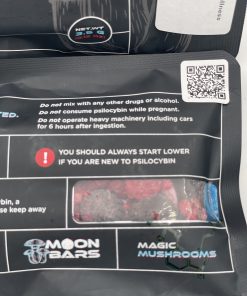
Moon Bars are a class of psilocybin-infused chocolate products sold in the United States as wrapped, portioned treats. If you are shopping for them, the most important things to understand are what “Moon Bar” actually refers to in the current market, how the chocolate is made, and how experienced users think about dosing. This guide covers all three, along with a practical look at label reading and the chocolate-making side of the category.
A quick note before going further: psilocybin remains a controlled substance under federal law in the United States, and legality varies by state and city. This article is written for educational and informational purposes for adults researching the market. Nothing here is medical advice, and nothing here should be read as encouragement to break local law.
What Are Moon Bars?
“Moon Bar” is a brand-style name, not a regulated product category. In practice, it refers to a chocolate bar or chocolate-coated confection that has been infused with dried, ground psilocybin-containing mushrooms or a mushroom extract. Buyers searching for Moon Bars are usually looking for a discreet, shelf-stable, precisely portioned alternative to eating dried mushrooms, which many people find bitter and difficult to dose consistently.
Because the term is used loosely, two products labeled “Moon Bar” from different sources can differ enormously in potency, ingredients, and quality control. That variance is the single biggest thing a buyer needs to plan around.
Moon Bars vs. Loose Dried Mushrooms
Loose dried mushrooms are sold by weight, and potency varies batch to batch and even mushroom to mushroom. A chocolate bar, by contrast, is meant to deliver a repeatable amount per square or per segment. In practice, that repeatability only holds if the maker is genuinely measuring and mixing evenly, which is why sourcing matters more than the marketing copy on the wrapper.
Common Formats and Packaging
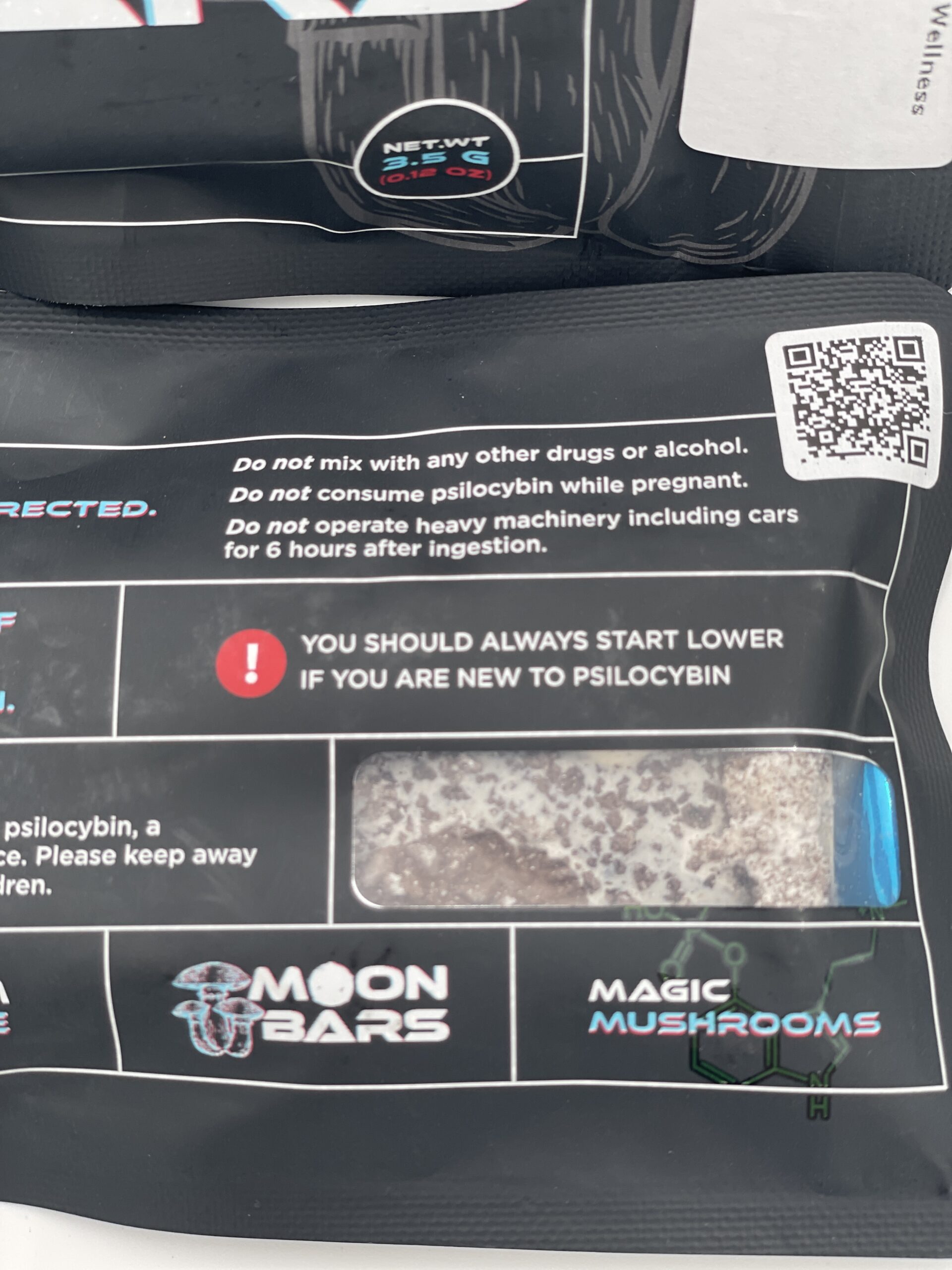
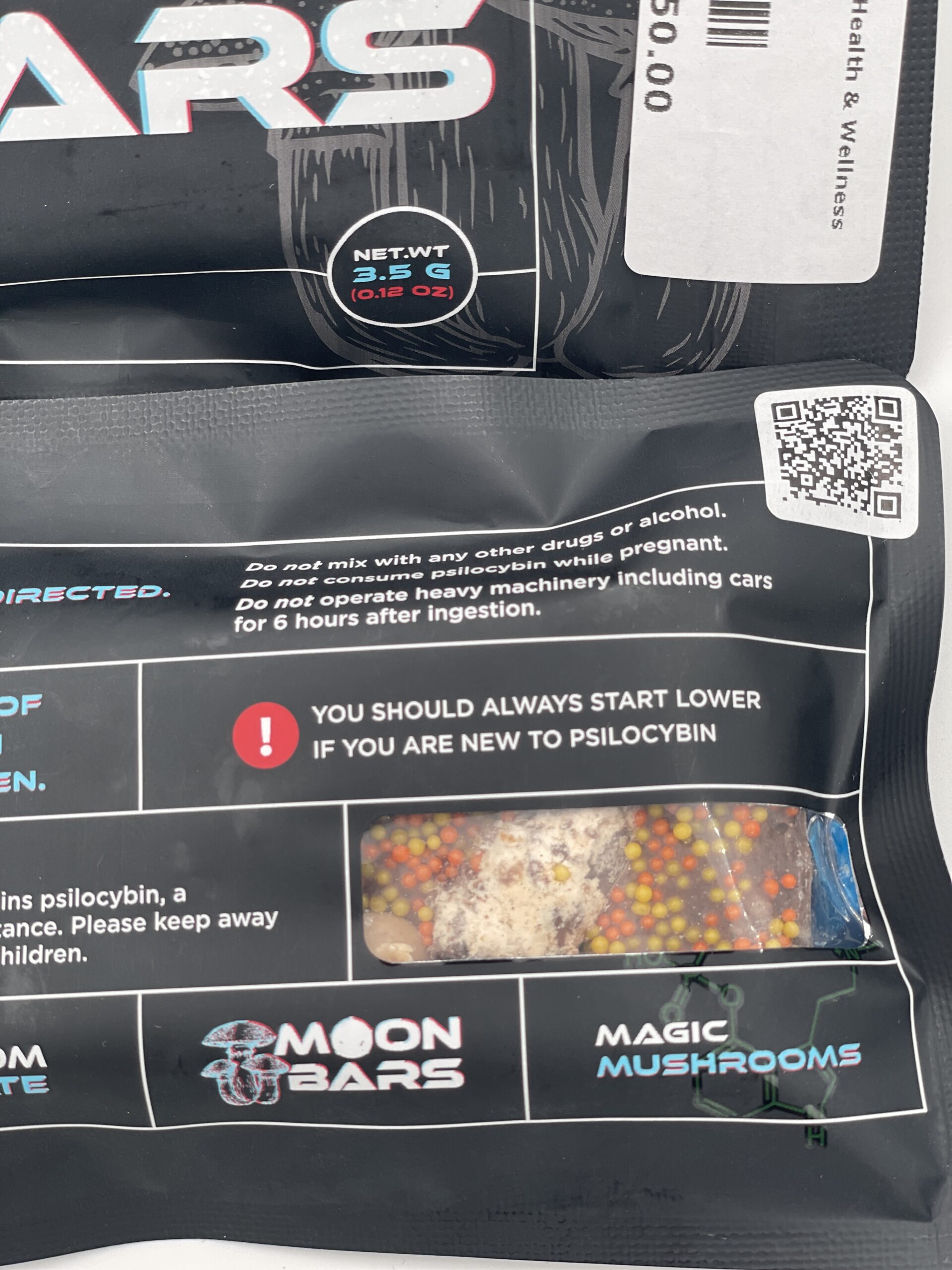
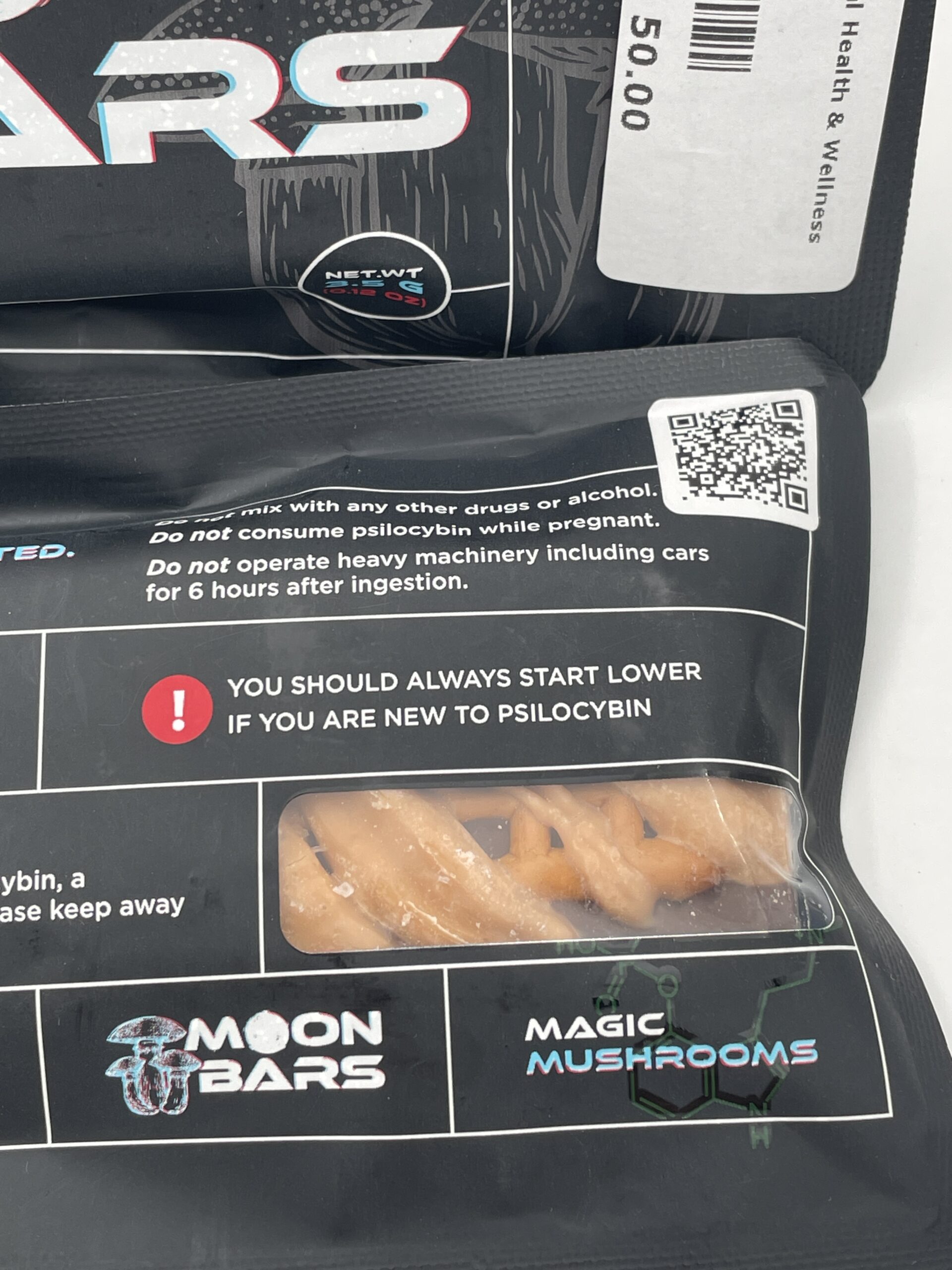
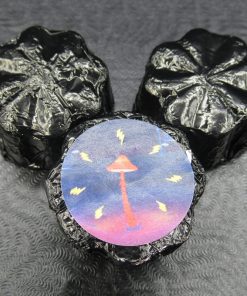
Most products in this space appear as segmented bars, truffle-style rounds, or small individual chocolates in a sealed sleeve. Segmented bars are the most useful format for buyers because the printed segment count gives you a dosing unit to work from. Sealed, single-serving formats are harder to divide.
How Moon Bars Are Made
Understanding production is the fastest way to judge quality, and it also answers the most common “how to” searches in this category.
From Dried Mushrooms to Chocolate
The standard process is straightforward. Dried mushrooms are ground to a fine, even powder, then combined with melted chocolate or a chocolate base and poured into molds. Even distribution is everything. If the powder is clumpy or the mix is stirred unevenly, one square can hit far harder than the next.
Why Some Makers Use Extract Instead of Powder
Some producers infuse a measured extract rather than raw powder, which can produce a smoother texture and a more consistent per-serving amount. The tradeoff is that extract quality varies widely and is essentially impossible for a retail buyer to verify from the outside. Neither approach is automatically better; the discipline of the maker is what counts.
What “How to Identify Mushrooms” Means for Buyers
Buyers often search for “how to identify mushrooms” or “how to ID mushrooms” hoping to verify what is actually in a bar. Realistically, visual identification from a chocolate product is not possible. Species-level identification requires intact specimens and, for psilocybin-containing species, often spore prints and chemical testing. The practical takeaway is that you cannot identify mushrooms inside a chocolate bar, so the credibility of the seller and the clarity of the label carry the entire burden of trust.
If you want general botanical and fungal background, university extension resources and the Wikimedia Commons image library can help you understand what intact specimens look like. The National Library of Medicine maintains public-facing resources on psilocybin research that are useful for context. Neither substitutes for a laboratory analysis of a specific product.
Reading a Moon Bar Label Like a Buyer
Labels in this category are inconsistent because the category itself is not federally regulated. That makes label literacy a genuine skill.
Potency Claims and Serving Sizes
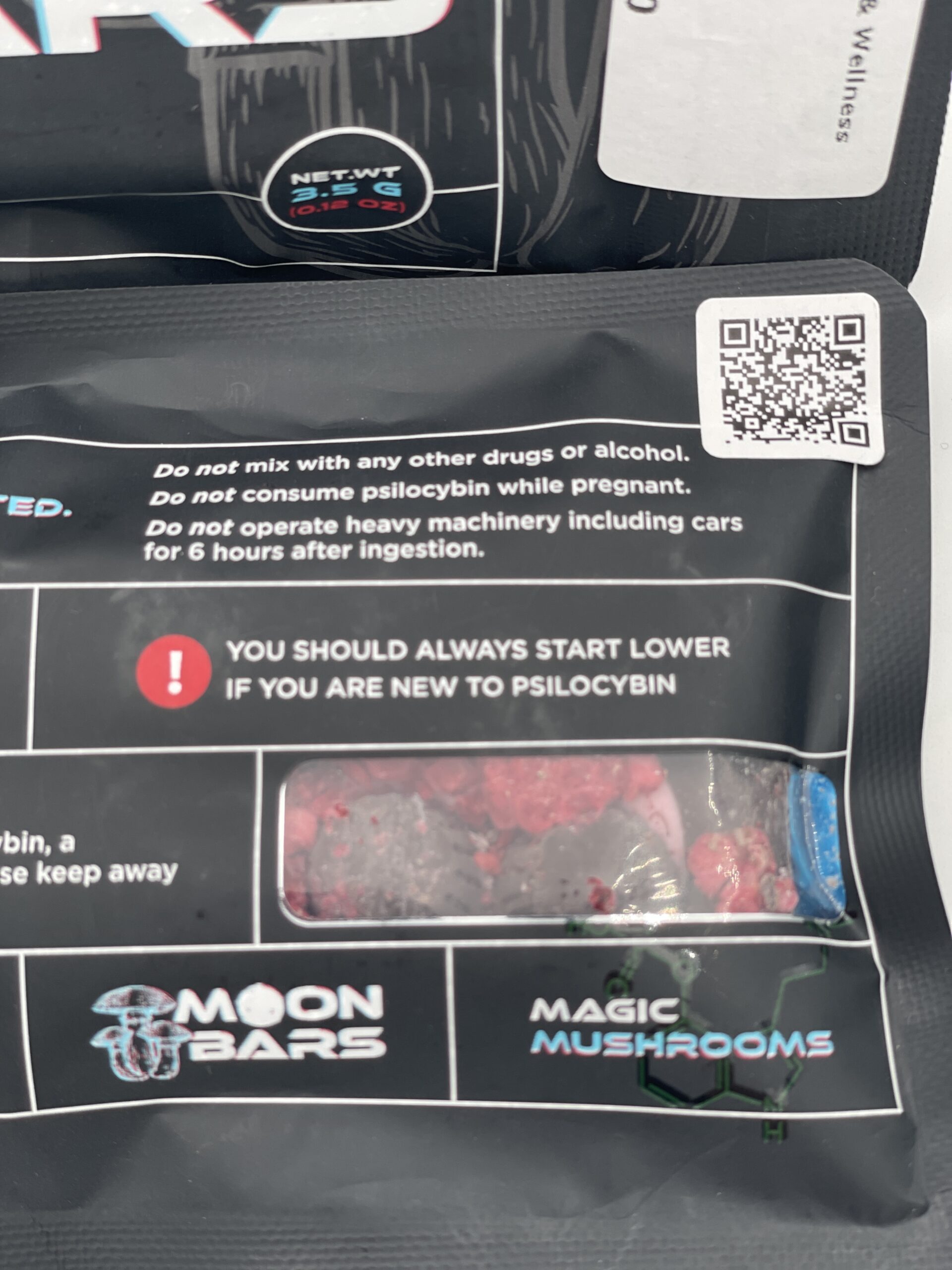
Look for a stated amount per segment, not just per bar. A bar that says “3.5g total” tells you nothing useful unless it also tells you how many segments that total is divided into. Statements like “per square” or “per piece” are the ones worth trusting, and even then, only as far as the seller’s testing claims go.
Ingredient Lists and Allergens
Chocolate products carry real allergen risk, particularly milk, soy, and tree nuts. Check the ingredient list for both the chocolate base and any flavoring. A short, specific ingredient list is generally a better sign than a vague one, though it says nothing about potency accuracy.
What a Label Usually Does Not Tell You
Most labels will not tell you the mushroom species, the cultivation source, or whether the finished product was tested for contaminants. Absent that information, treat any potency claim as approximate and plan accordingly.
Mushroom Chocolate Dosing Basics
Mushroom chocolate dose is the question buyers ask most, and it is also where the most careless advice circulates online. The honest answer is that dose depends on the potency of the specific product, your body weight, your experience level, and your sensitivity. There is no universal conversion.
What you can do is work in the smallest useful increments. Start with a single segment, wait a full two hours before considering more, and avoid stacking doses because the onset of chocolate-infused products can feel slower than dried mushrooms. Keeping a written record of what you took and how it felt is the only reliable way to build a personal reference point.
Anyone with a personal or family history of psychosis, heart conditions, or who is taking serotonergic medications should treat psilocybin as a serious risk rather than a casual purchase, and should consult a qualified clinician.
How to Make Mushroom Chocolates at Home
A large share of traffic in this category comes from people who want to make their own rather than buy. If you are researching the process, here is how it actually works in practice.
How to Make Mushroom Chocolate Bars
The method is simple in principle. Grind thoroughly dried mushrooms into a fine, uniform powder, melt a good-quality chocolate base gently over low heat, combine and stir far longer than feels necessary, then pour into a mold and set in a cool place. Consistency of grind and thoroughness of stirring are the two variables that determine whether your bars dose evenly.
Psychedelic Mushroom Chocolates Recipe (General Method)
A general recipe looks like this: roughly 100 to 200 grams of chocolate per bar, dried mushroom powder added at whatever ratio you have decided on, and optional additions like sea salt, crushed nuts, or a small amount of nut butter to mask the earthy flavor. Add the powder to the melted chocolate off the heat, stir until no dry pockets remain, and pour immediately before the mix thickens.
If you are working from raw materials, our guide to cultivation and substrate basics covers the growing side, including why clean grain and careful drying matter more than any single recipe step.
How to Make a Horse Manure Substrate for Cubensis
This is a cultivation question rather than a chocolate question, but it comes up constantly alongside the recipe searches. A basic bulk substrate recipe combines pasteurized or properly composted manure with a structural component like coco coir or vermiculite to keep it airy, plus a calcium source such as gypsum. Field capacity is the target, meaning the material holds water without dripping when squeezed. Sterilization and pasteurization steps are not optional, and contamination is the most common failure point for beginners.
Anyone pursuing cultivation should check their state and local laws first. The rules in the United States are not uniform.
Frequently Asked Questions About Moon Bars
1. Are Moon Bars legal in the United States?
Psilocybin is a Schedule I controlled substance federally, so these products are not legal nationwide. Some states and cities have decriminalized or regulated psilocybin to varying degrees. Check your specific jurisdiction rather than relying on general claims.
2. Can I identify the mushrooms inside a chocolate bar?
No. Visual identification requires intact specimens, and even then, accurate species identification depends on multiple features. You cannot verify contents from a chocolate product, which is why seller transparency and independent testing matter so much.
3. How long do Moon Bars take to kick in?
Onset varies by person, by what you have eaten, and by the product. Plan for a slower, more gradual curve than dried mushrooms and give it a full two hours before evaluating.
4. How should I store them?
Cool, dark, and dry, ideally in an airtight container. Heat and moisture degrade both the chocolate and the active compounds. Refrigeration can introduce condensation, so a cool pantry is usually better than a fridge.
5. What is the difference between powder-infused and extract-infused bars?
Powder-infused bars retain the plant material and tend to have a more earthy taste and texture. Extract-infused bars are usually smoother but depend entirely on extract quality, which buyers generally cannot verify.
6. Can I make these at home safely?
You can make mushroom chocolate at home using standard food-safety practices, and the process itself is not complicated. Accurate dosing at home is the hard part, since you have no way to measure the potency of your starting material.
7. What should I look for in a seller?
Clear per-segment dosing, a specific ingredient list, third-party testing claims you can actually verify, and honest answers about sourcing. Vague potency language and heavy branding with no substance are red flags.
The Bottom Line for Buyers
Moon Bars sit at the intersection of two things buyers value: discretion and portion control. The category is not standardized, which means the quality gap between one product and the next is wide. Approaching the purchase with label literacy, realistic dosing expectations, and a clear understanding of your local law will serve you far better than any single brand recommendation.
| Flavor Options | Reeses Pieces, Caramel Pretzel, Cookies & Cream, Mint Chocolate, Fruity Pebbles |
|---|
Be the first to review “Moon Bars”
You must be logged in to post a review.
Related products
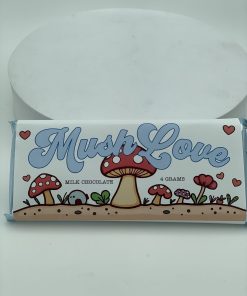
Buy Mushroom Chocolates bars
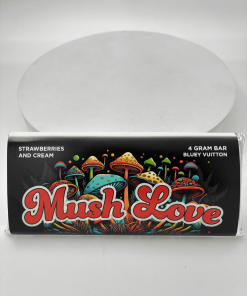
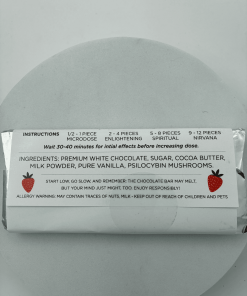
Buy Mushroom Chocolates bars
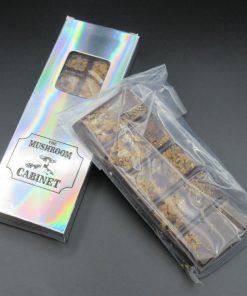
Buy Mushroom Chocolates bars
Buy Dried Magic Mushrooms USA
Buy Dried Magic Mushrooms USA
Buy Dried Magic Mushrooms USA
Buy Mushroom Chocolates bars
Buy Mushroom Gummies USA
Reviews
There are no reviews yet.