
Albino Cambodian Psilocybe Cubensis: A Cultivator’s Guide to This Pale-Leucistic Strain
The Albino Cambodian Psilocybe Cubensis is a leucistic variation of the classic Cambodian strain, prized for its ghostly white caps, its forgiving cultivation profile, and its place in the collections of hobbyist mycologists across the United States. This guide explains what makes the Albino Cambodian Psilocybe Cubensis distinctive, how it differs from a standard Cambodian, where it grows best, and how to spot a quality culture from a trusted magic mushroom store USA vendor. If you are weighing the strain against better-known albino varieties, you will find clear comparisons, specifications, and buying guidance below.
Treat this content as reference material for microscopy, taxonomy, and educational research. Psilocybin-containing mushrooms are controlled substances under U.S. federal law, so always confirm your local legal position before ordering or handling any culture.
What Is the Albino Cambodian Psilocybe Cubensis?
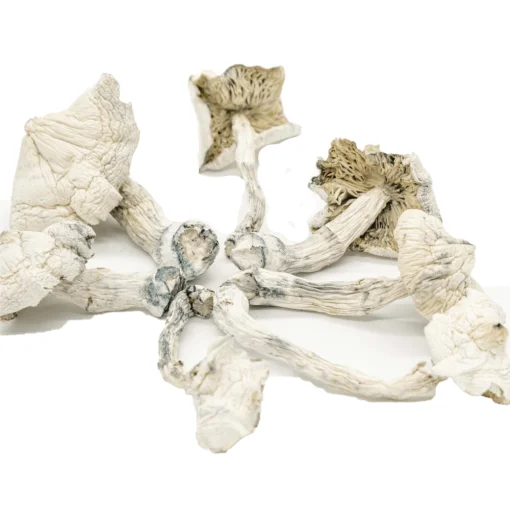
The Albino Cambodian Psilocybe Cubensis is a Psilocybe cubensis variant in which the pigment cells that normally darken the cap are largely absent, producing pale fruit bodies with a translucent, ivory quality. It descends from the Cambodian strain originally collected in the Angkor Wat region of Cambodia, and the “albino” designation describes its expression rather than a separate species. In practice, you are looking at a Cambodian lineage reworked for a lighter phenotype.
The term “leucistic” matters here. True albinos lack pigment entirely, while leucistic mushrooms simply produce reduced pigment, which is why many Albino Cambodian caps still develop faint golden or caramel tones as they mature. That nuance separates a genuine albino P. cubensis from a simple white-capped mutation.
Why Growers Choose the Albino Cambodian Strain
Hobbyists gravitate to this strain for three practical reasons: visual appeal, manageable difficulty, and a lineage that has been cultivated and documented for decades. The pale caps and contrasting dark spores create a striking visual record, which makes the strain a favorite for microscopy and photography projects.
The Cambodian parent is known as a resilient, mid-range cultivator that tolerates common beginner mistakes better than many exotics. Because the albino version shares that genetic background, it tends to be similarly forgiving. For anyone expanding a spore library, it offers a distinctive phenotype without demanding advanced technique. Scroll the Zombie Shrooms Store collection to see how it sits alongside other leucistic and standard strains.
Identifying the Albino Cambodian Psilocybe Cubensis: Key Characteristics
Identification blends standard P. cubensis features with the strain’s pale signature. Use the checklist below when reviewing microscopy images or comparing cultures.
- Cap: Ivory to off-white, often with a soft yellowish or tan center; convex becoming broadly flat with age. The cap surface can bruise blue where handled.
- Gills: Darkening from grey to deep purplish-brown as spores mature, which contrasts with the pale cap.
- Stem (stipe): Whitish, relatively thick, and slightly fibrous, with a distinct ring zone left by the partial veil.
- Spores: Deep purple-brown in deposit, a standard P. cubensis trait that helps confirm you are not looking at a Panaeolus lookalike.
- Size: Typical P. cubensis dimensions; caps commonly span 2–8 cm, though cultivated fruit bodies vary with substrate and conditions.
How the Albino Cambodian Differs From the Standard Cambodian
The original Cambodian strain carries a golden-brown cap and a more pronounced caramel center. The Albino Cambodian removes most of that pigment, giving it a faded, pearl-white appearance while keeping the Cambodian growth habit. Some growers also report more uniform, symmetrical caps, though phenotype expression depends heavily on environment.
Albino Cambodian vs. Other Albino Cubensis Strains
Albino A+ and Albino Treasure Coast are the two closest comparisons. Albino A+ is generally stockier and can develop a blue-grey cast; Albino Treasure Coast has a reputation for taller, thinner stems. The Albino Cambodian tends to sit in the middle—moderate size, clean white presentation, and a Cambodian growth rhythm that many cultivators already understand.
Cultivation Parameters for Consistent Results
The albino factor does not change the core biology of P. cubensis, so standard sanitation and temperature discipline still govern success. The table below summarizes baseline parameters for reference. These are general cultivating conventions, not guarantees; always follow your culture supplier’s guidance.
| Parameter | Typical Range |
|---|---|
| Colonization temperature | 75–81°F (24–27°C) |
| Fruiting temperature | 70–75°F (21–24°C) |
| Relative humidity during fruiting | 90%+ |
| Substrate | Pasteurized grain or coco coir-based bulk |
| Light | Indirect, low-level ambient light |
| Spore visibility | Best observed on dark backgrounds |
Sanitation remains the single biggest variable. Contamination—especially Trichoderma—wipes out otherwise healthy grows, so work in a still-air environment, sterilize tools, and isolate any jar or tub that shows green, pink, or slimy growth. Albino strains offer no extra contamination resistance, regardless of their striking appearance.
Substrate and Spawn Considerations
Grain spawn colonizes quickly and gives the strain a strong head start. Once the grain is fully colonized, a coco coir or coir-and-vermiculite bulk substrate provides the moisture balance the Cambodian lineage favors. Aim for field capacity—damp but not dripping—and avoid over-misting once pins appear, because excessive surface water invites bacterial issues.
Common Mistakes to Avoid
Overheating is the most frequent error. New growers often push temperatures too high, which slows fruiting and accelerates contamination. Opening tubs too often to inspect pale caps is another trap: each inspection releases humidity and introduces airborne spores. Patience and stable conditions beat constant fiddling.
Buying Albino Cambodian Cubensis Cultures in the USA
When shopping, look for vendors that publish clear genetic descriptions, ship discreetly, and provide tracking. It helps to know exactly what you are ordering: liquid culture, spore syringe, or colonized grain spawn, each with different handling needs. A responsible magic mushroom store will state its shipping policies, guarantee confidentiality, and explain the legal picture rather than gloss over it.
What to Look for in a Quality Culture
- Transparency: Clear product specs, including volume, purity claims, and storage instructions.
- Packaging: Sterile, sealed containers and temperature-conscious shipping.
- Reputation: Verified reviews and responsive support.
- Compliance: Explicit acknowledgment of legal restrictions and age requirements.
Understanding Delivery and Legal Considerations
Many buyers search for “magic mushroom delivery USA” or “shrooms delivery USA,” but the legal reality varies by state and locality. Spores and cultures are restricted in several states, including Georgia, Idaho, and California, so confirm your jurisdiction first. A reliable vendor will refuse orders to restricted areas rather than risk your account. Discreet packaging and tracking are standard for legitimate sellers; unusually cheap or anonymous listings are a red flag.
Albino Cambodian Strain at a Glance
| Attribute | Detail |
|---|---|
| Species | Psilocybe cubensis |
| Lineage | Cambodian (leucistic variant) |
| Difficulty | Beginner to intermediate |
| Cap color | Ivory white to pale caramel |
| Growth habit | Moderate, Cambodian-style |
| Best use | Microscopy, photography, cultivation study |
The strain is not the fastest or the largest P. cubensis available, but it offers a strong balance of visual appeal and predictable behavior. For collectors who value a clean, documented phenotype, that balance is the selling point.
Frequently Asked Questions
Is the Albino Cambodian Psilocybe Cubensis a separate species?
No. It is a leucistic variant of Psilocybe cubensis descended from the Cambodian strain. The “albino” label describes its low-pigment appearance, not a distinct species.
Is it harder to grow than a standard Cambodian?
Difficulty is broadly similar. The albino factor affects color, not cultivation biology, so the same sanitation, temperature, and humidity practices apply.
Can I legally buy Albino Cambodian cultures in the United States?
It depends on your state and locality. Several states restrict spores and cultures, and federal law treats psilocybin-containing materials as controlled substances. Always verify current local rules before ordering.
How long does shipping usually take within the USA?
Most vendors ship domestically within a few business days, with delivery following standard carrier timelines. Order confirmation and tracking numbers are a reasonable expectation.
Do albino caps stay white all the way through maturity?
Not always. Many develop faint caramel or golden tones in the center as they age. Pure white throughout is uncommon and depends on genetics and environment.
What is the shelf life of a spore syringe or liquid culture?
Stored in a dark, cool environment, most cultures remain viable for several months. Follow the vendor’s storage instructions and avoid repeated temperature swings.
| Quantity | Oz, QP, HP, Ibs |
|---|
Be the first to review “Albino Cambodian Psilocybe Cubensis”
You must be logged in to post a review.
Related products
Buy Dried Magic Mushrooms USA
Buy Dried Magic Mushrooms USA
Buy Dried Magic Mushrooms USA
Buy Dried Magic Mushrooms USA
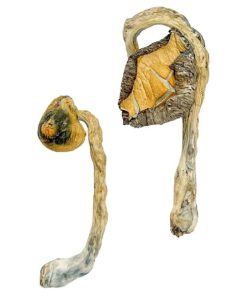
Buy Dried Magic Mushrooms USA
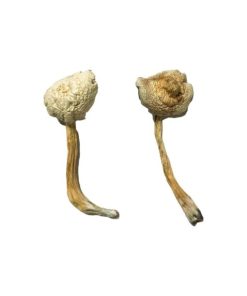
Buy Dried Magic Mushrooms USA
Buy Dried Magic Mushrooms USA
Buy Dried Magic Mushrooms USA

Reviews
There are no reviews yet.