Psilocybe Aztecorum Magic Mushrooms: A Buyer’s Guide to a Rare Highland Species
Psilocybe aztecorum is one of the rarer high-altitude species in the Psilocybe genus, known for its pale caps and its cultural roots in central Mexico. Buyers searching for Psilocybe Aztecorum Magic Mushrooms online are usually curious collectors or experienced enthusiasts who want to understand what this species is, how it differs from common cubensis, and how to spot trustworthy vendors. This guide covers the species itself, current US legal realities, and what to look for when you compare options at a trusted magic mushroom store.
Because this is a transactional topic, the most useful answer up front is simple: there is no lawful retail market for psilocybin mushrooms across the United States. Any purchase carries real legal risk, and buyers should understand that before they go looking for a magic mushroom store USA listing that promises otherwise.
What Are Psilocybe Aztecorum Magic Mushrooms?
Psilocybe aztecorum is a small, wood-decaying Psilocybe species first formally described from specimens collected on the slopes of volcanoes near Mexico City. It grows at unusually high elevations, often above roughly 2,000 meters, in pine and fir forests where cool, moist conditions dominate. Mycologists recognize two varieties: a nominate form associated with the Popocatépetl region and Psilocybe aztecorum var. bonetii, named for the Mexican mycologist Gastón Guzmán.
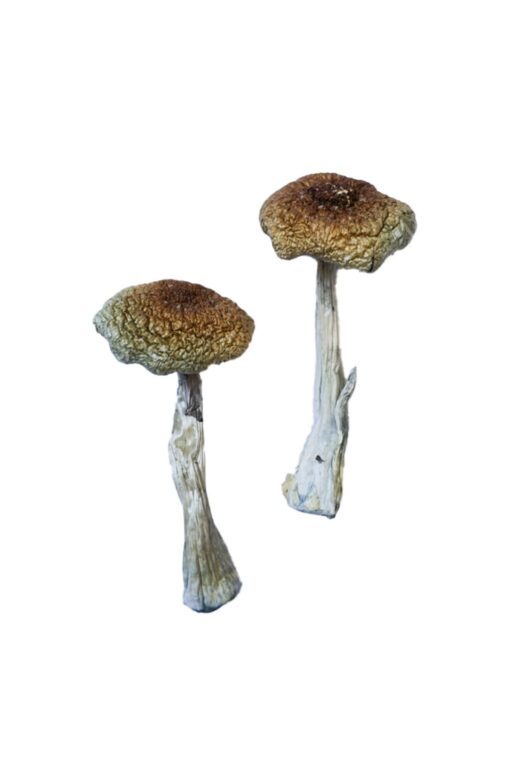
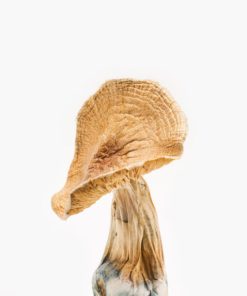
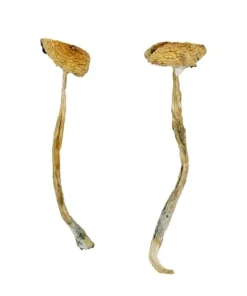
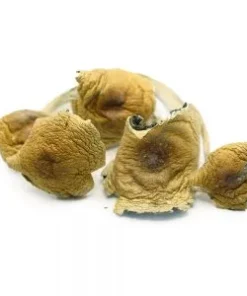
The species is noted for pale, whitish to cream-colored caps that bruise bluish where handled, a hallmark of psilocybin-containing mushrooms. It is much less cultivated than Psilocybe cubensis, partly because its natural habitat is so specific. That scarcity explains a lot of the online interest in it.
How It Differs From Cubensis
Most commercially discussed magic mushrooms are Psilocybe cubensis, a dung-loving tropical species that is easy to grow indoors. P. aztecorum is a different animal: cold-adapted, habitat-specific, and rarely grown at scale. Anyone comparing the two should treat claims of abundant, standardized “aztecorum” inventory with caution.
The Legal Reality for US Buyers
Psilocybin and psilocin are Schedule I controlled substances under federal law in the United States. Oregon’s regulated psilocybin program is limited to supervised, licensed service centers and does not create a legal retail market for the general public. Some states and cities have decriminalized personal possession or lowered enforcement priorities, but decriminalization is not the same as legal sale. A US-based magic mushroom delivery service cannot legally operate a public retail channel under current federal rules, regardless of how it markets itself.
This matters for buyers comparing vendors that advertise shrooms delivery USA listings. Out-of-state or international shipments cross federal jurisdiction, and “discreet packaging” marketing does not change the underlying legal status. The honest takeaway is that any transaction involving psilocybin mushrooms in the US still carries legal exposure for the buyer.
What Buyers Should Check Before Choosing a Vendor
If you are researching vendors for educational or collector purposes, use the same diligence you would apply to any high-risk online purchase. These checks also reveal how credible a magic mushroom store USA operator really is.
Transparency and Product Information
Legitimate businesses publish clear contact details, physical addresses where applicable, and detailed product descriptions. Vendors that crowd their pages with vague “exotic strain” labels, unverifiable potency claims, and no ingredient or sourcing information are red flags. Ask for species identification, cultivation or origin notes, and an actual customer service channel.
Payment and Delivery Language
Be extremely wary of vendors that require unusual payment methods, promise guaranteed stealth delivery, or publish no refund or dispute policy. Pressure tactics, fake scarcity countdowns, and testimonials that cannot be independently verified are common across illegal online markets. Treat glowing reviews of shrooms delivery USA offers as marketing, not evidence.
Community and Educational Resources
Reputable information sources cite established mycological literature — for example, identification work documented by institutions like Kew Gardens or archives like the Internet Archive — rather than inventing strain lore. A vendor that explains what it is selling in plain, verifiable terms is a better research starting point than one that leans only on hype.
Species Profile at a Glance
| Feature | Detail |
|---|---|
| Genus | Psilocybe |
| Habitat | High-elevation pine/fir forests in central Mexico |
| Known varieties | P. aztecorum and P. aztecorum var. bonetii |
| Distinctive trait | Pale caps that bruise bluish when handled |
| Common in retail trade | No — rarely cultivated compared with P. cubensis |
| US legal status | Schedule I controlled substance federally |
Treat any table like this as a research tool, not a buying sheet. The scarcity and the legal status are the two facts that should shape how you read any marketplace claim.
Risks, Limits, and What the Species Cannot Tell You
Collectors are often drawn to P. aztecorum because it feels exotic. That appeal is exactly where misrepresentation creeps in. Without reliable identification, a photograph and a species name on a product page prove very little. Cultivation of this species is uncommon, so a sudden supply of “fresh aztecorum” should raise questions rather than confidence.
There is also a health dimension worth stating plainly. Psilocybin carries psychological risks, including anxiety and distressing experiences, and it can interact badly with some mental health conditions and medications. Because high-elevation, wild-harvested species add identification uncertainty on top of that, no buyer should treat an online label as a safety guarantee.
FAQ
Are Psilocybe aztecorum magic mushrooms legal to buy in the US? No. Psilocybin mushrooms, including P. aztecorum, remain Schedule I federally, and no legal US retail channel exists for the general public.
Is Psilocybe aztecorum the same as Psilocybe cubensis? No. They are different species with different habitats, cultivation needs, and typical appearance. Cubensis is far more common in commercial and hobbyist discussions.
Why is Psilocybe aztecorum so hard to find? It grows in cold, high-altitude forests in central Mexico and is rarely cultivated compared with cubensis, which makes genuine supply scarce.
Can I rely on strain names from online vendors? Treat them skeptically, especially for rare species. Without verifiable species identification, a label alone is weak evidence.
Where can I learn more about identifying Psilocybe species safely? Look to peer-reviewed mycology literature and authoritative institutions rather than vendor blogs.
Final Takeaway
Psilocybe Aztecorum Magic Mushrooms are a genuinely interesting species with a narrow natural range and a distinctive appearance. For US buyers, though, curiosity is not the same as a safe or legal purchase. Use reliable sources, ask hard questions about any vendor’s claims, and understand the legal risk before you click buy.
| Qty | 1 gram, 3.5 grams, 7 grams, 14 grams, 28 grams, 56 grams |
|---|
Be the first to review “Psilocybe Aztecorum Magic Mushrooms”
You must be logged in to post a review.
Related products
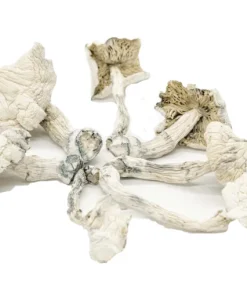
Buy Dried Magic Mushrooms USA
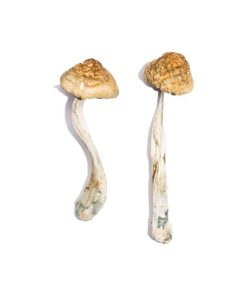
Buy Dried Magic Mushrooms USA
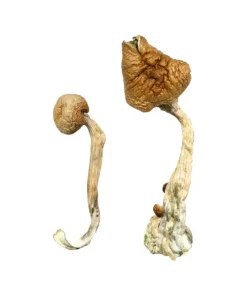
Buy Dried Magic Mushrooms USA
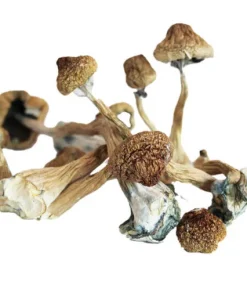
Buy Dried Magic Mushrooms USA
Buy Dried Magic Mushrooms USA
Buy Dried Magic Mushrooms USA
Buy Dried Magic Mushrooms USA
Buy Dried Magic Mushrooms USA
Reviews
There are no reviews yet.