
Psychedelics Education
Lions Mane
Oct
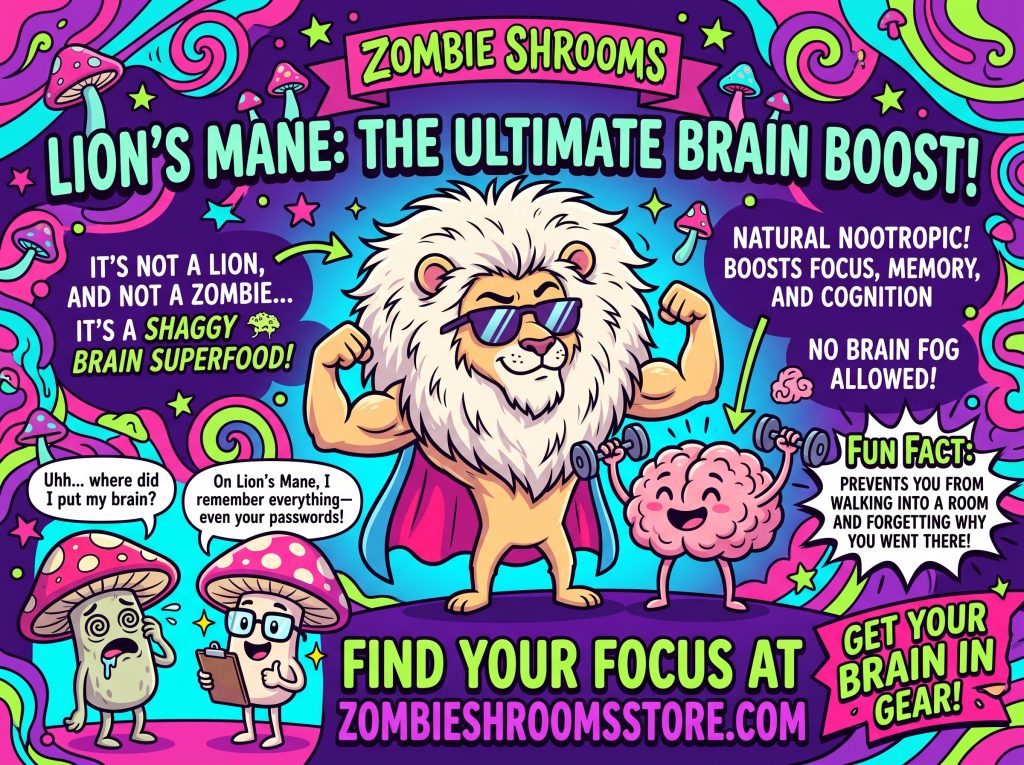
Lions Mane: Potential Benefits, Extracts and Side Effects Explained
Lions mane is an edible mushroom that has attracted attention for its possible effects on cognition and mood. Known scientifically as Hericium erinaceus, it appears in culinary dishes, powdered supplements, capsules, and liquid extracts. Its popularity has also generated claims that go further than current human research supports.
If you are researching lions mane benefits, the central question is whether a particular preparation produces a meaningful benefit in people. Laboratory findings can explain scientific interest, but they do not establish that a supplement improves memory, treats anxiety, or prevents dementia.
This article examines the evidence, explains differences between preparations, and discusses reported side effects. It also distinguishes this non-psychedelic mushroom from psilocybin-containing species, helping readers in the United States and Canada interpret product descriptions accurately.
What Is Lions Mane?
Lion’s mane is a pale mushroom with hanging, tooth-like spines that give it a shaggy appearance. Its scientific name, Hericium erinaceus, identifies the species more precisely than a nickname or marketing description.
It has a history of use as food and in traditional health practices. Modern research explores its constituents and possible biological effects, while supplement manufacturers market various preparations for general wellness. pubmed.ncbi.nlm.nih.gov
Those uses should remain distinct. Eating a cooked mushroom, taking a concentrated extract, and receiving an established medical treatment involve different evidence and safety considerations.
Is It a Psychedelic Mushroom?
No. Lion’s mane does not naturally contain psilocybin and is not a classic psychedelic mushroom.
The term “functional mushroom” is commonly used in wellness marketing, but it does not mean psychedelic or medically approved. A product containing several ingredients needs assessment of the full formulation, rather than assumptions based on one mushroom name.
What Is Lions Mane Good For?
As a culinary ingredient, lion’s mane offers another way to include mushrooms in meals. As a supplement, it is being investigated for potential effects on cognition, mood, and other health measures.
The distinction between these uses matters. Its suitability as food does not prove that an extract treats a condition.
When asking “what is lions mane good for?”, identify the outcome you mean. Enjoying it in a meal is different from expecting it to improve concentration or address persistent memory problems.
For health claims, the strongest evidence would come from replicated human trials using clearly characterised preparations and meaningful outcomes. Current research does not establish a dependable benefit across all users or products.
Lions Mane Benefits: What Human Studies Show
Human studies provide reasons for continued investigation, but the findings remain limited and mixed.
Cognitive Performance and Attention
A 2023 pilot trial studied 41 healthy adults aged 18–45. Researchers examined cognitive and mood-related outcomes after a single administration and during a 28-day intervention.
Participants receiving lion’s mane performed faster on the Stroop task following a single administration. This suggests a possible effect worth investigating, but one task result cannot establish a broad improvement in memory, intelligence, or everyday productivity. pubmed.ncbi.nlm.nih.gov
A Later Study Found No Overall Improvement
A 2025 randomised crossover trial involved 18 healthy young adults and tested a standardised fruiting-body extract.
Researchers found no significant improvement in the combined measures of overall cognition or mood. An individual pegboard task showed improved performance, suggesting that any effect might be specific to a particular skill.
The PubMed study on lion’s mane, cognition and mood illustrates why educational articles should report the overall findings alongside individual positive results. pubmed.ncbi.nlm.nih.gov
Why These Results Need Context
Small studies can identify useful research questions, but they cannot settle every question about effectiveness.
A change on a laboratory test may not translate into an improvement someone notices at work or home. Findings also depend on the preparation, participants, study duration, and methods.
The evidence therefore supports further investigation rather than a promise that everyone taking lion’s mane will think more clearly.
Mood, Stress and Claims About Nerve Growth
Online discussions frequently connect lion’s mane with anxiety relief, emotional balance, or nerve regeneration.
Researchers have examined compounds such as hericenones and erinacines because of their biological activity. However, much of the discussion about mechanisms draws on laboratory or animal research. pubmed.ncbi.nlm.nih.gov
An effect on a biological pathway does not establish that a retail supplement repairs damaged nerves in people. Similarly, investigating mood-related outcomes does not make lion’s mane an established treatment for depression or anxiety.
Avoid Turning Mechanisms Into Promises
A statement that a compound affects nerve-related processes under experimental conditions is narrower than saying a supplement “regrows the brain.”
Readers should ask whether the evidence concerns isolated cells, animals, or people. They should also check whether the preparation tested resembles the product being discussed.
These questions help preserve the useful science without exaggerating its practical implications.
Lions Mane Extract: How Preparations Differ
A lions mane extract is a preparation made by processing fungal material to obtain particular constituents. Extraction methods and starting materials can influence its composition.
An extract is not automatically equivalent to dried whole-mushroom powder. Nor are two extracts necessarily interchangeable.
Fruiting Body and Mycelium
The fruiting body is the visible mushroom structure. Mycelium is the fungal network involved in growth.
Research may examine either material or a specially prepared extract. Findings should remain attached to what was actually tested.
A label stating “fruiting body” or “mycelium” helps describe the ingredient, but neither term independently proves clinical effectiveness.
What Extraction Ratios Tell You
A ratio such as 10:1 describes a relationship between starting material and extract. It does not demonstrate ten times the benefit.
Ratios also need context about processing and composition. Comparing products solely by the largest number on the label can create a misleading impression.
Clear ingredient information and relevant evidence are more informative than an impressive-looking ratio.
Lions Mane Supplement Side Effects
Reported lions mane supplement side effects include abdominal discomfort, nausea, and skin rash. These reactions are described in Memorial Sloan Kettering’s lion’s mane information. mskcc.org
Limited studies cannot establish the complete safety profile of every preparation. A small trial may miss uncommon reactions, and short follow-up cannot answer every question about prolonged use.
Gastrointestinal Symptoms
Abdominal discomfort and nausea can occur with supplements. Diarrhoea has also been reported in human research involving lion’s mane preparations. www.ncbi.nlm.nih.gov
Symptoms after a blended product cannot automatically be attributed to lion’s mane. Other ingredients and unrelated causes may contribute.
A useful record includes the product name, complete ingredients, timing, and symptoms. That information can help a healthcare professional assess what happened.
Skin Reactions and Allergies
A rash deserves attention, particularly if it develops after starting a new supplement. Stop using the suspected product and seek appropriate advice.
Breathing difficulty or swelling of the mouth or throat requires emergency medical attention. These are general warning signs of a potentially serious allergic reaction.
Avoid interpreting an unwanted reaction as evidence of “detoxification” or proof that a supplement is working.
Hericium Erinaceus Side Effects and Medication Questions
Searching for “Hericium erinaceus side effects” may bring up extensive lists of possible interactions. Some claims are based on preliminary findings rather than well-established human evidence.
Uncertainty should be described accurately. Limited interaction information does not prove that no interactions occur, but it also does not justify presenting every theoretical concern as confirmed.
People taking medication should discuss the exact supplement with a pharmacist or other qualified professional. Include the full formulation, since a blend may introduce additional ingredients with their own risks.
Evidence is also insufficient to assume that adult study findings establish suitability during pregnancy, breastfeeding, or childhood.
Understanding Lions Mane Effects Over Time
There is no reliable universal timeline for noticeable benefits.
A study measuring a task after 60 or 90 minutes does not establish that someone will experience improved focus within that interval. Similarly, a trial lasting several weeks does not guarantee a benefit after the same period.
Personal experiences can be influenced by sleep, expectations, stress, caffeine, and other changes. Testimonials rarely control for those factors.
A balanced account of lions mane effects therefore distinguishes measured study outcomes from subjective impressions. Neither a positive review nor a disappointing experience settles the broader scientific question.
Mushrooms for Brain Health: Evaluating the Bigger Claim
The phrase “mushrooms for brain health” covers different species, preparations, and research questions.
Evidence about one mushroom cannot automatically be applied to another. Evidence about a specific extract cannot establish that a multi-mushroom drink provides the same outcome.
Look for the study population, comparison group, preparation, and measured result. Also ask whether the study found a meaningful overall change or only an isolated difference.
Persistent forgetfulness, worsening concentration, or other concerning symptoms deserve assessment. A supplement should not delay investigating the cause or replace prescribed care.
Supplement Regulation in the USA and Canada
Lion’s mane supplements should not be presented as prescription psychedelic medications.
In the United States, dietary supplements are regulated differently from medicines. The FDA does not approve supplements for safety and effectiveness before marketing. Availability therefore does not establish that an agency has confirmed a cognitive benefit. www.fda.gov
In Canada, natural health products follow a licensing framework. Health Canada’s guidance on natural health products explains that licensed products carry an eight-digit Natural Product Number or, where applicable, a Homeopathic Medicine Number.
Authorisation concerns the particular product and labelled conditions of use. It should not be extended to unrelated claims or other formulations. www.canada.ca
Frequently Asked Questions
1. Are lions mane benefits scientifically proven?
Some human studies report interesting findings, but the evidence does not establish reliable benefits for every person or product. Broad treatment claims go beyond current research.
2. What are common lion mane mushroom benefits discussed online?
Memory, focus, and mood are frequent subjects. These are areas of investigation, and promotional descriptions often express more certainty than the studies justify.
3. Is lions mane extract better than whole-mushroom powder?
There is no general answer. Preparations differ, and concentration alone does not prove better clinical outcomes. Relevant comparative evidence would be needed.
4. Can lion’s mane cause side effects?
Yes. Reported reactions include abdominal discomfort, nausea, and skin rash. Product composition and individual circumstances affect how a reaction should be assessed.
5. Does lion’s mane cause hallucinations?
Lion’s mane is not a psilocybin-containing mushroom and should not produce a classic psychedelic experience. Unexpected symptoms require assessment of the complete product and other possible causes.
Where to Explore Further
For a broader discussion of culinary mushrooms and nutritional evidence, read Are Mushrooms Healthy? Nutrition, Benefits and Limits.
To understand how psilocybin-containing mushrooms differ from functional mushroom supplements, explore Golden Teacher Mushrooms: Origins, Traits and Cultural History.