What Are Magic Mushrooms in Canada? A Complete Beginner’s Guide to Psilocybin, Effects, and History
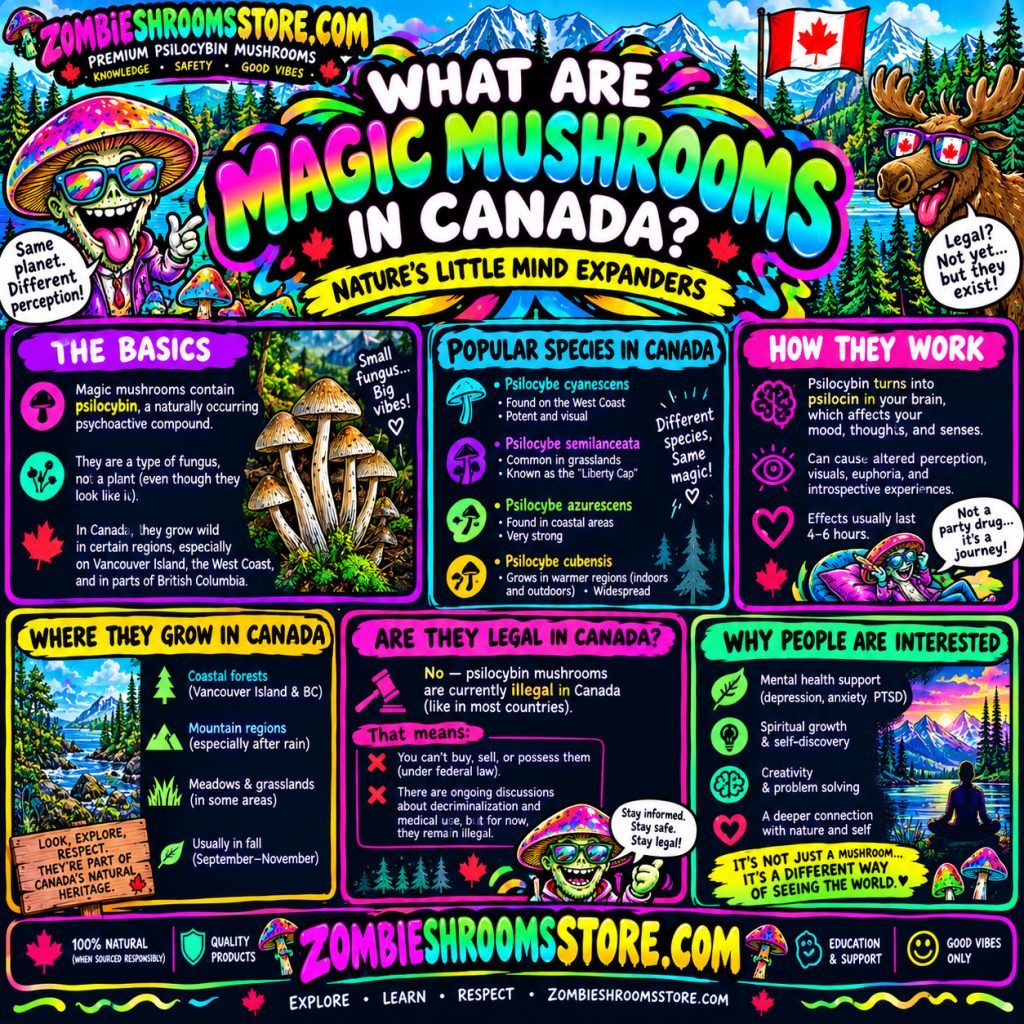
what are magic mushrooms in Canada

Curious about magic mushrooms in Canada? This beginner-friendly guide explains what psilocybin is, how it affects the brain and body, where psychedelic mushrooms come from, and what Canadian law currently says — all in plain, practical language.
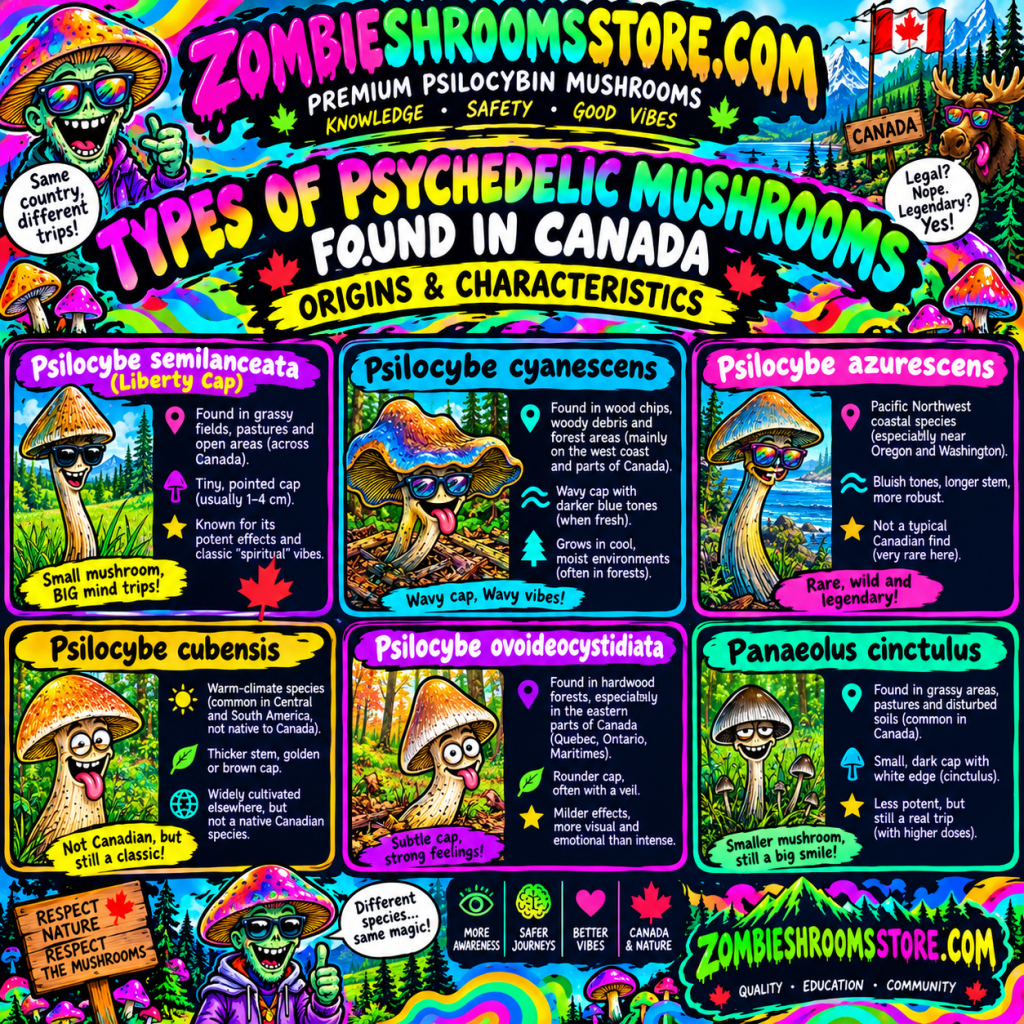
Types of Psychedelic Mushrooms Found in Canada: A Beginner’s Guide to Species, Effects, and Safety

types of psychedelic mushrooms found in Canada

Canada is home to a surprising diversity of psychedelic mushrooms, from wild native species to cultivated Psilocybe cubensis varieties. This beginner-friendly guide explains the types of psychedelic mushrooms found in Canada, how they differ in potency and effects, and what Canadians should know before exploring them.

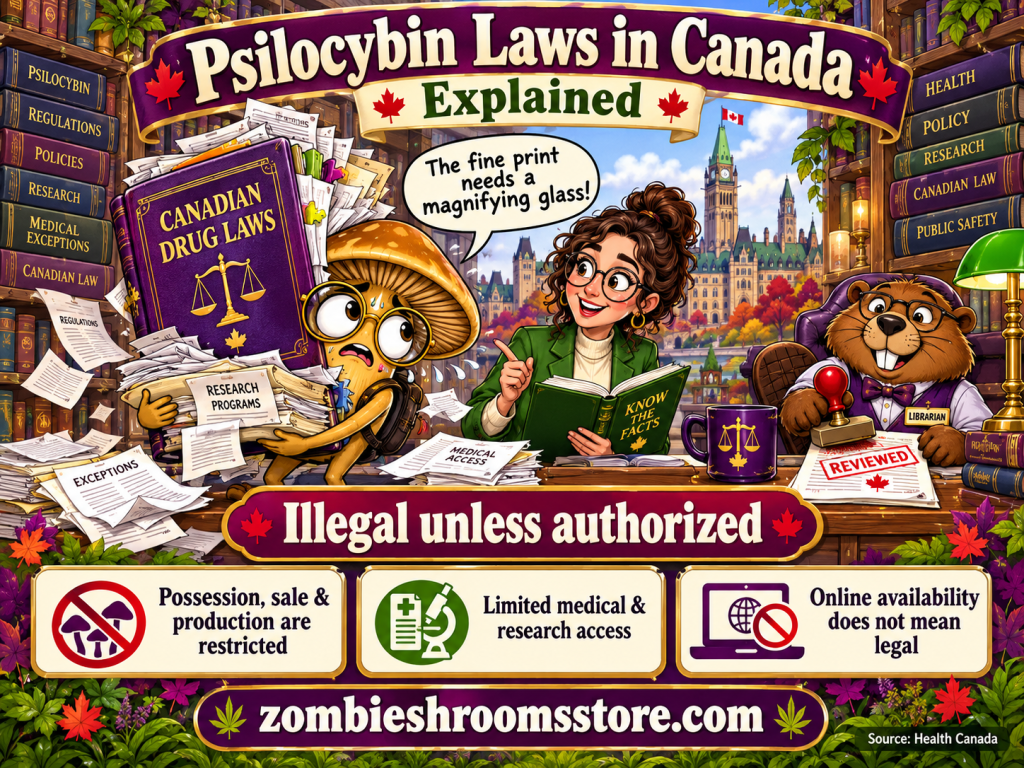
Psilocybin Laws in Canada Explained: Possession, Health Canada Regulations, and Exemptions

psilocybin laws in Canada explained

Confused about psilocybin laws in Canada? This plain-language guide breaks down possession rules, Health Canada regulations, exemptions, and what recent enforcement headlines actually mean for Canadians.

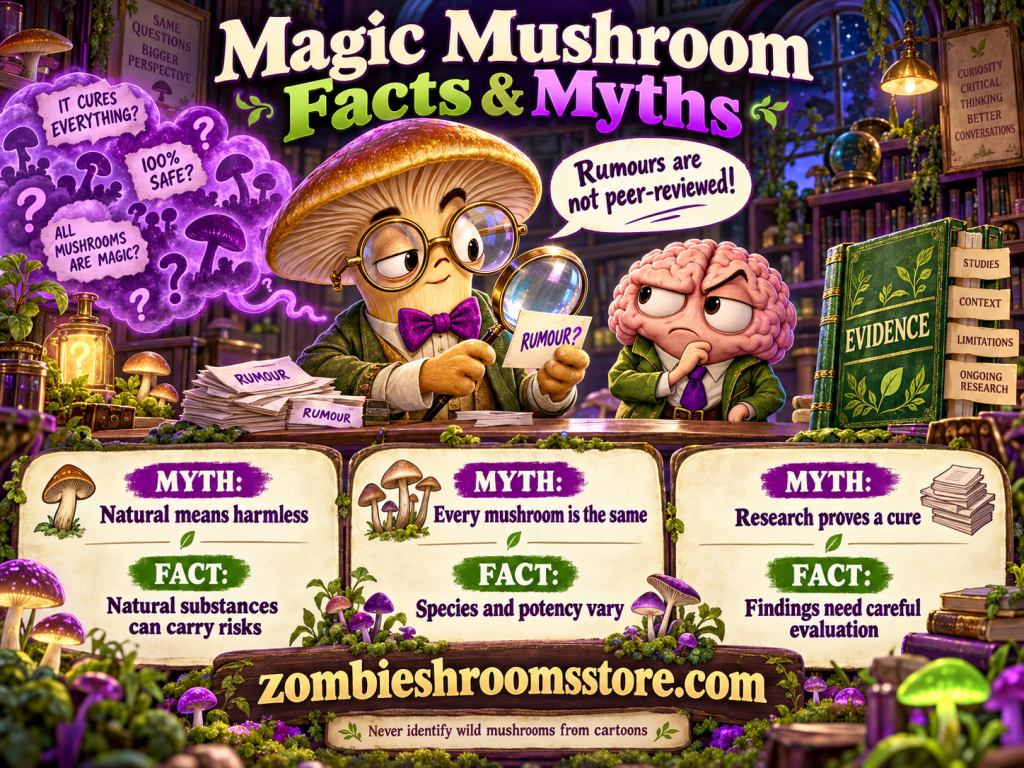
Magic Mushroom Facts and Myths: What Canadians Should Really Know Before Trying Shrooms

magic mushroom facts and myths

Magic mushrooms are surrounded by misinformation, from claims they make you hallucinate for days to the idea that psilocybin is a modern discovery. This Canadian guide separates the facts from the myths, explains what psilocybin actually does, and covers what beginners should understand before exploring shrooms.

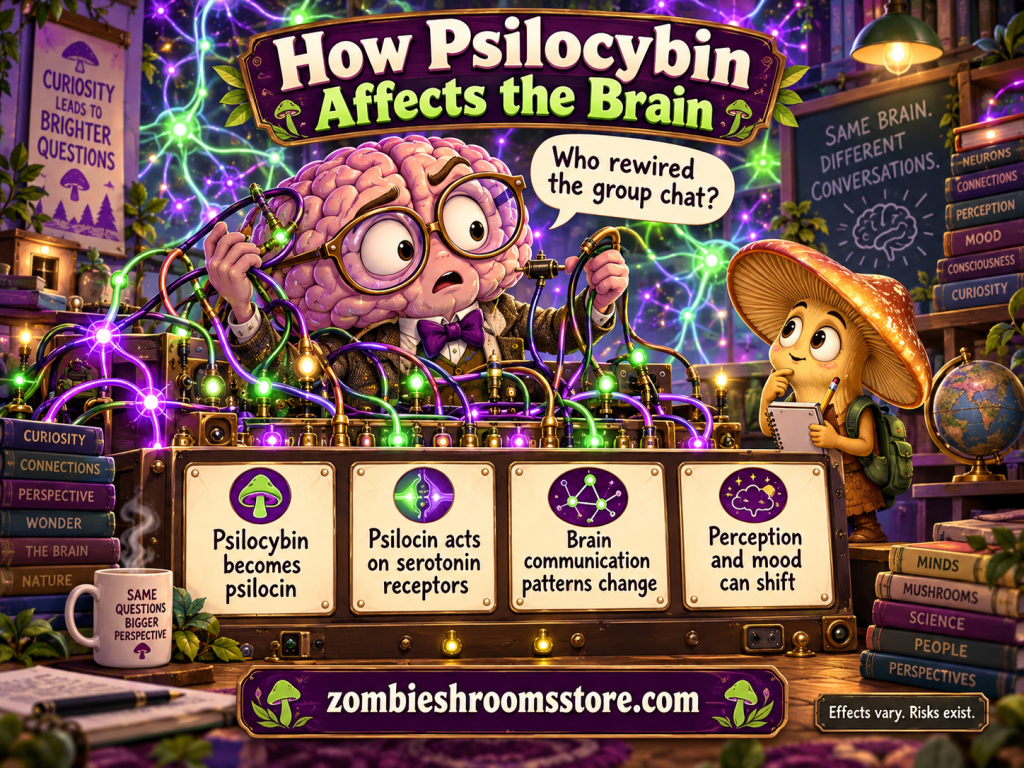
How Psilocybin Affects the Brain: A Canadian Guide to Magic Mushrooms and the Mind

how psilocybin affects the brain

Psilocybin does far more than create visual effects. This guide explains how psilocybin affects the brain, why the default mode network matters, and what Canadian readers should understand before exploring magic mushrooms.

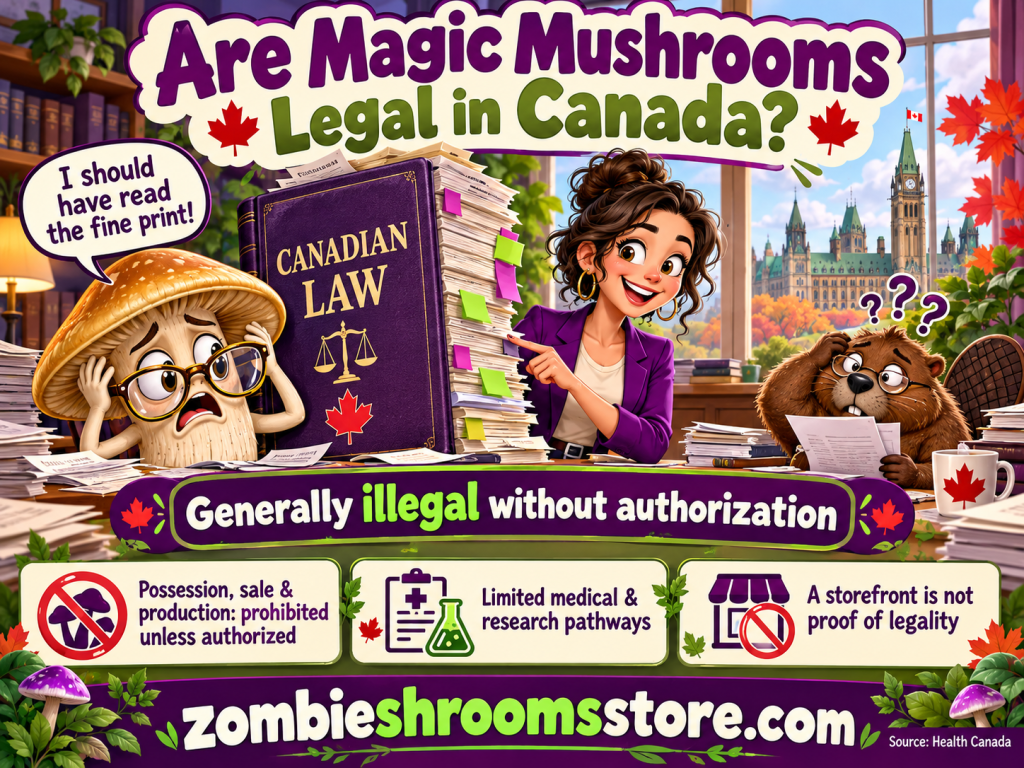
Are Magic Mushrooms Legal in Canada? Psilocybin Laws, Possession, and Health Canada Explained

are magic mushrooms legal in Canada

Magic mushrooms occupy a confusing legal space in Canada. Psilocybin remains a controlled substance under federal law, yet Health Canada grants exemptions, some cities have deprioritized enforcement, and online sellers operate openly. This guide breaks down what Canadian law actually says about psilocybin, possession, exemptions, and where the rules may be heading.

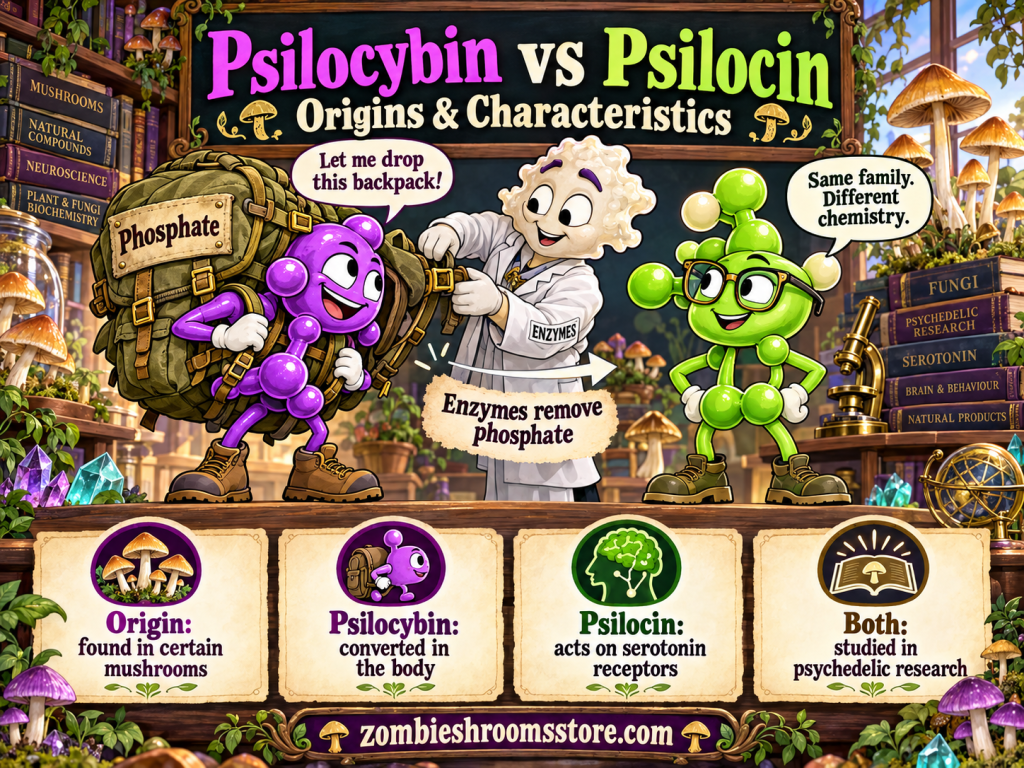
Psilocybin vs Psilocin Explained: What Canadian Beginners Should Know

psilocybin vs psilocin explained

Psilocybin and psilocin are often used interchangeably, but they are not the same molecule. This beginner-friendly Canadian guide explains how psilocybin converts into psilocin, why that conversion matters for timing and intensity, how the brain is affected, and what the legal picture looks like in Canada.

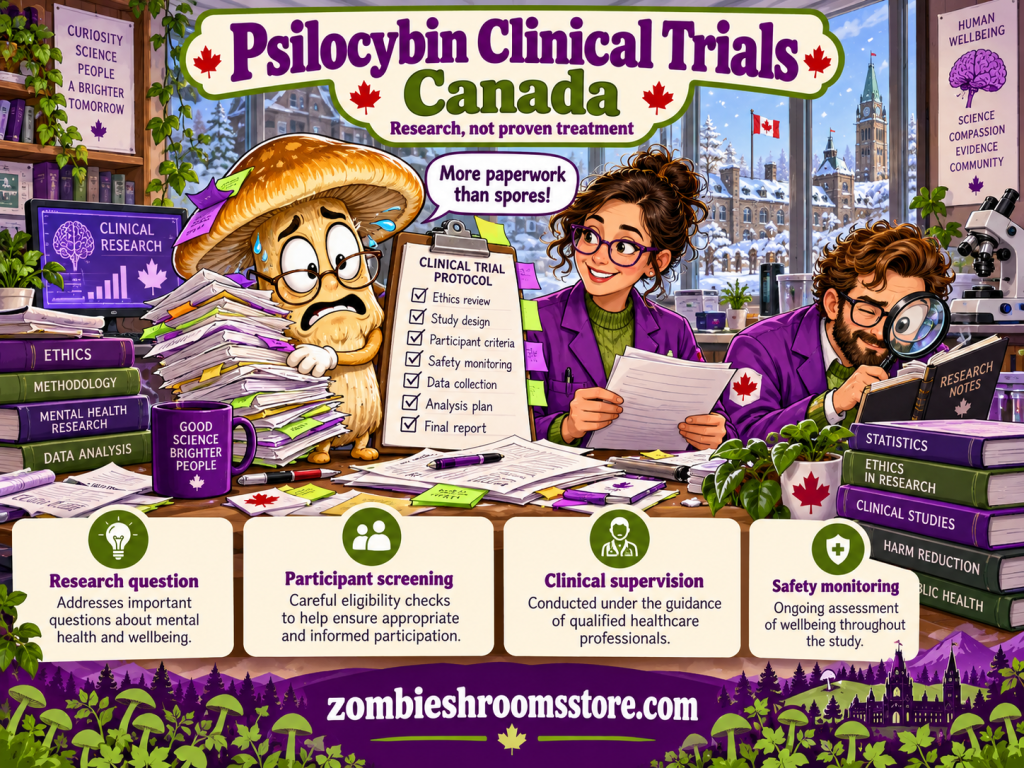
Psilocybin Clinical Trials in Canada: How Research Works, Who Qualifies, and What the Law Allows

psilocybin clinical trials Canada

Psilocybin clinical trials in Canada have moved from fringe curiosity to serious medical research. This guide explains how trials are designed and regulated, who can enroll, how Health Canada’s Special Access Program fits in, and what the latest findings on depression, anxiety, and suicidal thoughts actually tell us.

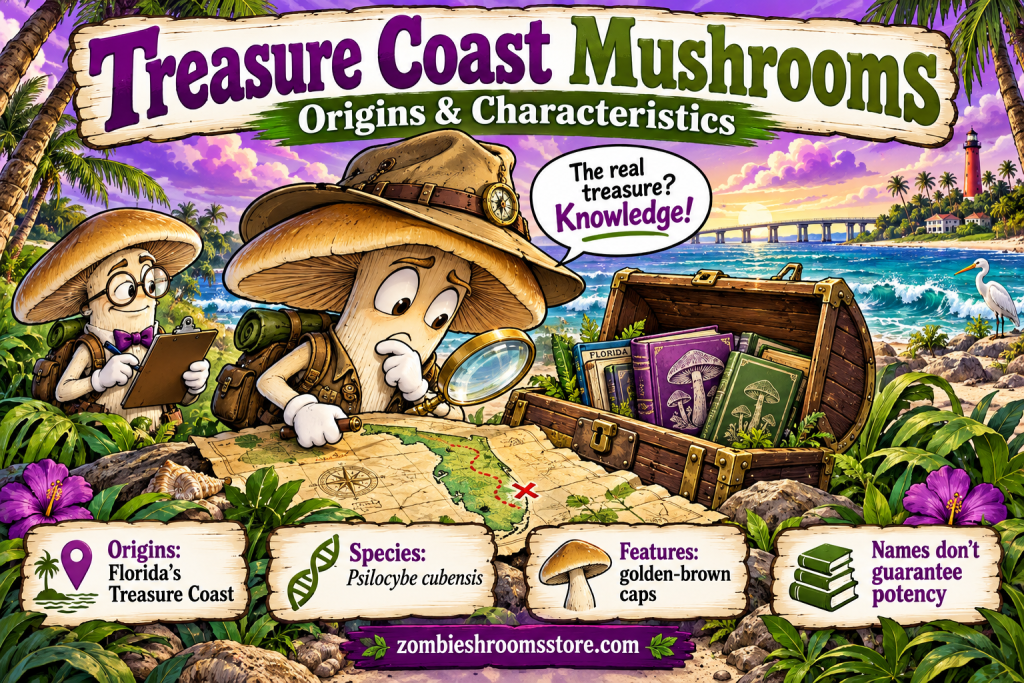
Treasure Coast Mushrooms

Treasure Coast Mushrooms

Treasure Coast Mushrooms: Origins and Characteristics Treasure Coast Mushrooms are commonly discussed as a cultivated variety associated with Psilocybe cubensis, a species of psilocybin-containing fungus. Their name suggests a connection with Florida’s Treasure Coast, but a geographic label is not independent proof of ancestry. Understanding this variety requires separating reported history, observable characteristics, chemical measurements, […]

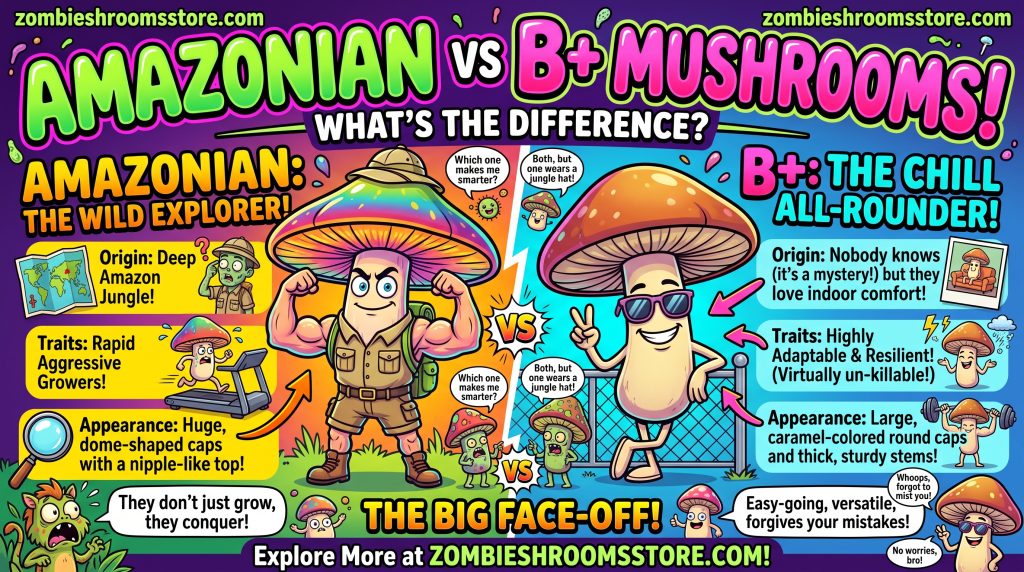
Amazonian vs B+ Mushrooms

Amazonian vs B+ Mushrooms

Amazonian vs B+ Mushrooms: What’s the Difference? Amazonian vs B+ Mushrooms compares two familiar variety names commonly associated with Psilocybe cubensis, a species of psilocybin-containing fungus. They are not generally presented as separate scientific species. Their labels describe cultivated material, reported histories, and reputations rather than standardised medicines. The most important difference is therefore less […]