
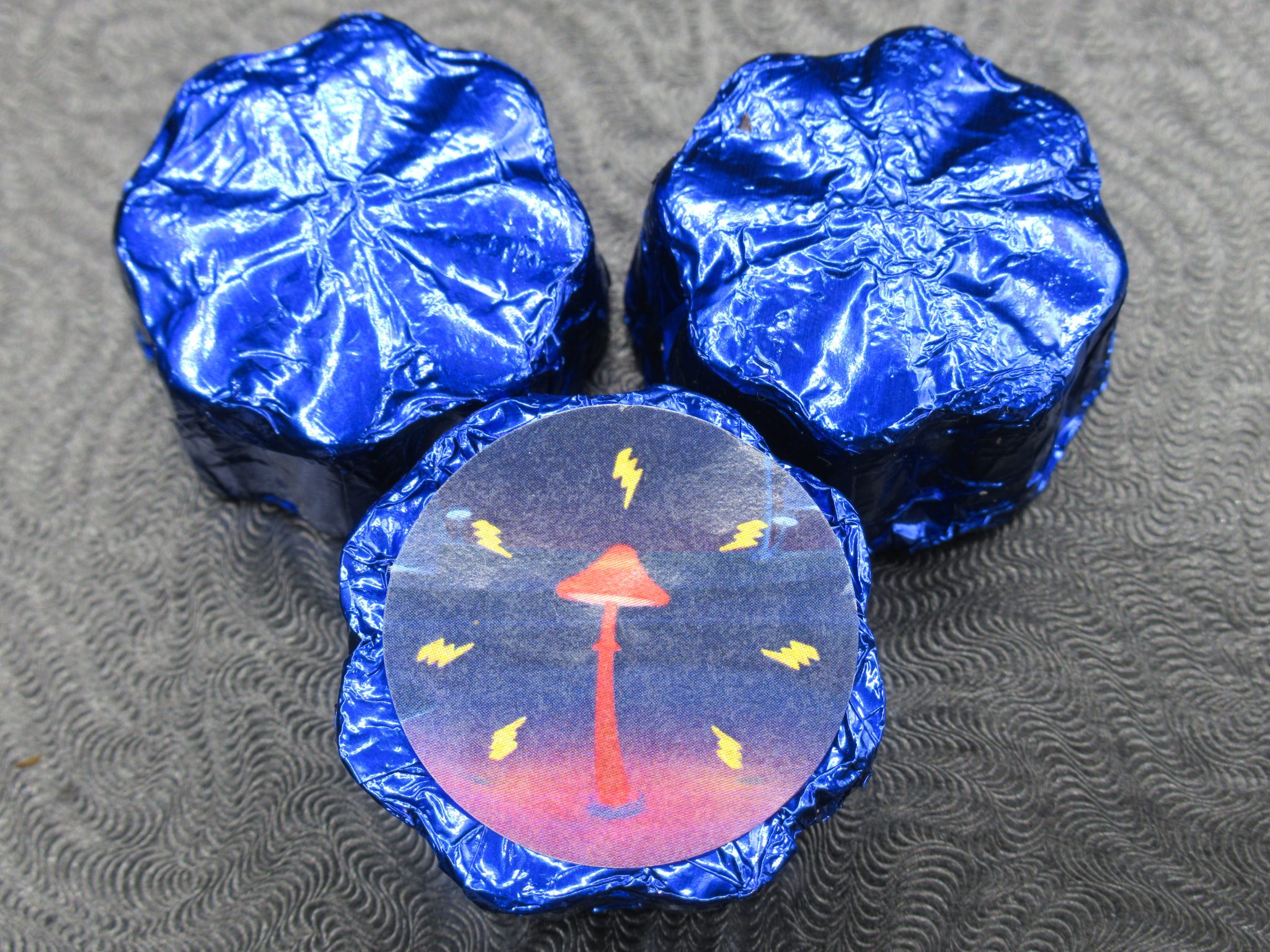
Transkei – Mushroom Chocolates: A Buyer’s Guide to South Africa’s Legendary Strain
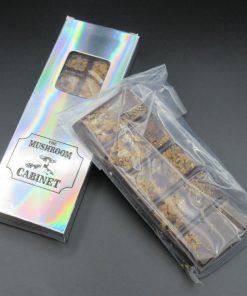
Transkei – Mushroom Chocolates bring together one of the most storied magic mushroom landraces in the world and a format that hides the earthy taste most people dislike. For buyers in the United States, the combination matters: the Transkei strain carries a reputation for clear, cerebral effects, while chocolate turns a raw, chewy dried mushroom into something you can actually enjoy. This product guide covers what the strain is, why chocolate is used as a carrier, how to store what you buy, and how to judge quality before you order. If you are comparing options, browsing the store’s full selection of premium mushroom chocolates is the fastest way to see how Transkei fits alongside other strains.
What Makes the Transkei Strain Distinctive
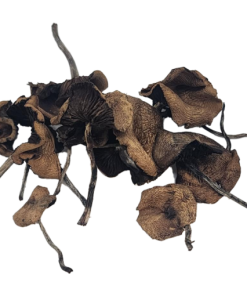
The Transkei is a region on South Africa’s Eastern Cape, and the strain named for it has circulated among cultivators for decades because of its vigor and its visual character. Transkei mushrooms typically produce medium-to-large fruits with a caramel-to-chestnut cap and a thick stem, and they colonize grain quickly compared with many exotic varieties. Growers prize that speed because it reduces the window for contamination during the colonization phase.
Users, meanwhile, describe Transkei as more head-forward than body-heavy. Anecdotal reports commonly mention pronounced visual patterning, heightened color saturation, and a lucid mental clarity that lets people stay conversational at lower doses. That profile makes it a frequent pick for daytime or nature settings rather than heavy, sedative evenings. As with any psilocybin-containing variety, effects vary with dose, body weight, tolerance, and mindset, so the first experience with a new batch should always be a modest one. You can read more about the strain and its background on the Wikipedia entry for psilocybin mushrooms.
Why Turn Transkei Into Chocolate
Chocolate is not a gimmick. It solves three practical problems at once.
- Taste and texture. Dried mushrooms are fibrous, chewy, and bitter. Good dark chocolate masks the flavor almost completely.
- Dosing consistency. A molded bar or square can be divided into known portions, which is far more reliable than eyeballing a handful of dried caps.
- Shelf stability. Cocoa butter is a fat, and fats oxidize slowly at room temperature. Properly tempered and stored chocolate protects the active compounds from air and moisture better than an open bag of dried fruit bodies.
There is a tradeoff worth naming: chocolate melts. A bar left in a hot car or a humid bathroom cabinet will bloom, sweat, and degrade. The format rewards buyers who plan their storage before they order, not after.
How to Store Mushroom Chocolates Correctly
Storage is where most buyers lose quality, and it is the single most common question about this product category. The steps below cover both the chocolate itself and the dried mushrooms behind it, since many customers buy raw material alongside finished goods.
How to Store Psilocybin Mushrooms and Chocolate Bars
- Keep it cool and dark. A consistent 60–70°F (15–21°C) is the target for chocolate. Avoid the refrigerator for everyday storage because condensation forms each time you move it in and out.
- Block oxygen. Vacuum-seal or use an airtight container with a desiccant pack. Oxygen and moisture are the two forces that degrade psilocybin over time.
- Go opaque. Light accelerates oxidation. Amber glass, Mylar, or a closed tin beats a clear plastic bag on a shelf.
- Freeze only for long-term holding. If you plan to store chocolate for many months, wrap it tightly, seal it, and freeze it. Thaw it sealed and at room temperature so moisture condenses on the wrapper, not the product.
- Label the date. Nothing else tells you how old a bar is once the packaging is open.
How Long Do Dried Mushrooms Last?
Dried mushrooms held in an airtight, dark, cool container with a desiccant generally retain potency for roughly six to twelve months, with a gradual decline after that. Frozen and vacuum-sealed, that window can stretch considerably longer. Chocolate bars follow a similar logic but add a cocoa-butter clock: most bars taste best within six months and are not worth pushing past a year. Any product showing visible mold, a sour smell, or soft, tacky texture should be discarded rather than consumed.
How to Preserve Magic Mushrooms Before They Reach the Chocolate
Buyers who work with fresh material should understand the drying step, because chocolate made from poorly dried mushrooms will spoil from the inside.
- Harvest clean. Brush off substrate rather than washing, since water speeds rot.
- Dry fast and thoroughly. A food dehydrator at roughly 95–105°F (35–40°C) for several hours is the standard home method. Heat far above that range risks degrading actives.
- Test for the cracker stage. A properly dried stem snaps rather than bends. If it bends, it is not done.
- Store immediately. Move dried material straight into an airtight, dark container with desiccant. Every hour in open air is an hour of potency lost.
Anyone who wants the finished product without the drying, tempering, and dosing work can simply order Transkei mushroom chocolates that have already been prepared, which removes most of the variables above.
Choosing and Buying Quality Mushroom Chocolates
Because this is an unregulated market in most of the United States, packaging claims vary widely in reliability. A few signals separate careful producers from careless ones.
- Clear per-serving disclosure. The label should state how much dried mushroom or extract is in each square, not just the total bar weight.
- Real ingredients. Cocoa mass, cocoa butter, sugar, and possibly milk or vanilla. Artificial fats and cheap compound coatings do not protect the product as well.
- Sensible packaging. Individually wrapped squares, or a sealed bar in a foil sleeve inside a box, hold up better in transit than a bare bar in a zip bag.
- Storage guidance included. A seller who explains how to store the bar is usually a seller who handles material properly.
- Sourcing transparency. Strain name, region of origin, and whether the chocolate uses whole dried fruit bodies or extract all affect both potency and texture.
Extract-based chocolates hit harder and more uniformly per gram; whole-mushroom chocolates are gentler and often used by people easing into the category. Neither is inherently better, but the two should not be dosed the same way.
Effects, Dose, and Responsible Use
Transkei is generally regarded as a moderate-to-strong strain, so chocolate, which invites casual snacking, deserves caution. A common mistake is treating a bar like candy and eating two or three squares before the first one has taken effect. Onset typically runs 30 to 60 minutes, sometimes longer on a full stomach, and the peak follows 60 to 90 minutes after that.
- Start low. One square, then wait a full two hours before considering more.
- Do not redose out of impatience. The first dose has not finished arriving yet.
- Set and setting matter. Calm environments, a trusted companion, and a cleared schedule reduce the chance of a difficult experience.
- Avoid mixing. Alcohol, cannabis, and stimulants all complicate the experience unpredictably.
- Check your local law. Psilocybin remains a controlled substance under federal law in the United States, with a patchwork of state and municipal rules that change frequently. Verify your own jurisdiction before ordering.
For anyone new to the category, the broader world of mushroom budding and strain education is worth exploring before committing to a specific product.
Sourcing, Shipping, and Freshness
Transkei – Mushroom Chocolates are perishable goods, so transit time directly affects what shows up at your door. Warm weather is the enemy: a bar that spends three days in a hot delivery truck may arrive bloomed, softened, or melted into its wrapper. Order during cooler months where possible, choose expedited shipping if the seller offers it, and arrange for someone to bring the package inside rather than leaving it on a sunny porch. Once it arrives, inspect it before storing. A faint gray-white haze on chocolate is usually harmless cocoa butter bloom; fuzzy growth, a sour or fermented smell, or a tacky surface is not. When in doubt, contact the seller rather than guessing.
Taste and Format Expectations
Transkei chocolate is typically offered in dark chocolate, which pairs well with the strain’s earthy profile and hides flavor more effectively than milk chocolate. Milk and white chocolate versions exist and are easier for people who dislike bitter cocoa, though they contain less cocoa butter and tend to soften faster. Bars are usually scored into squares of 1 to 3 grams of dried mushroom equivalent, or produced as extract-infused bars where a single square can carry a much stronger dose. Read the label carefully, because the two formats look identical and are not interchangeable.
Frequently Asked Questions
1. What are Transkei – Mushroom Chocolates?
They are chocolate products infused with dried or extracted mushrooms from the Transkei strain, a South African landrace known for vigorous growth and a clear, visually rich effect profile.
2. How should I store mushroom chocolates?
Cool, dark, airtight, and around 60–70°F. Skip the fridge for daily storage and freeze only for long-term holding, thawing sealed at room temperature.
3. How long do dried mushrooms last?
Roughly six to twelve months in an airtight, dark, cool container with desiccant. Vacuum-sealed and frozen, they hold considerably longer, though potency declines gradually.
4. How do I preserve magic mushrooms before making chocolate?
Dry them fast with a dehydrator at 95–105°F until stems snap, then move them immediately into an airtight, dark container with a desiccant pack.
5. How long until I feel anything?
Typically 30 to 60 minutes, longer on a full stomach, with the peak arriving 60 to 90 minutes after that.
6. Can I eat the whole bar?
No. Dose by square, start low, and wait a full two hours before taking more.
Be the first to review “Transkei – Mushroom Chocolates”
You must be logged in to post a review.
Related products
Buy Mushroom Chocolates bars
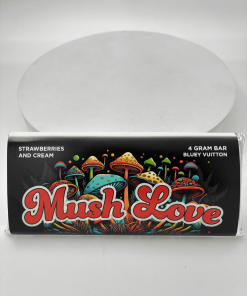
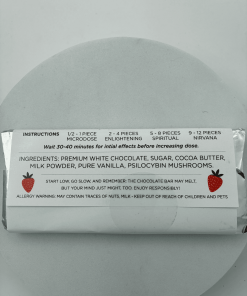
Buy Mushroom Chocolates bars
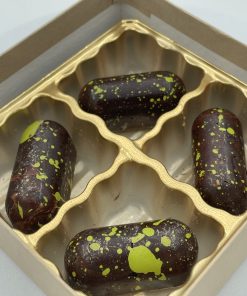
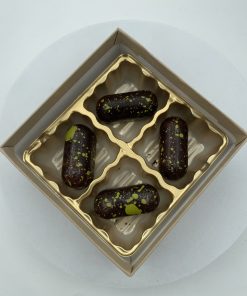
Buy Mushroom Chocolates bars
Buy Mushroom Chocolates bars
Buy Dried Magic Mushrooms USA
Buy Mushroom Chocolates bars
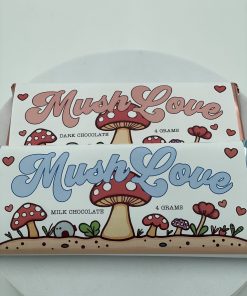
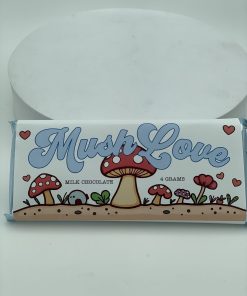
Buy Mushroom Chocolates bars
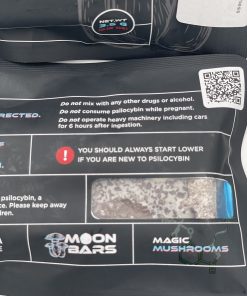
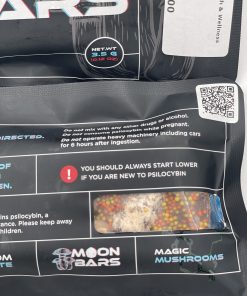
Buy Mushroom Chocolates bars

Reviews
There are no reviews yet.