Shroom Chocolate Bites: A Buyer’s Guide to Mushroom-Infused Chocolate
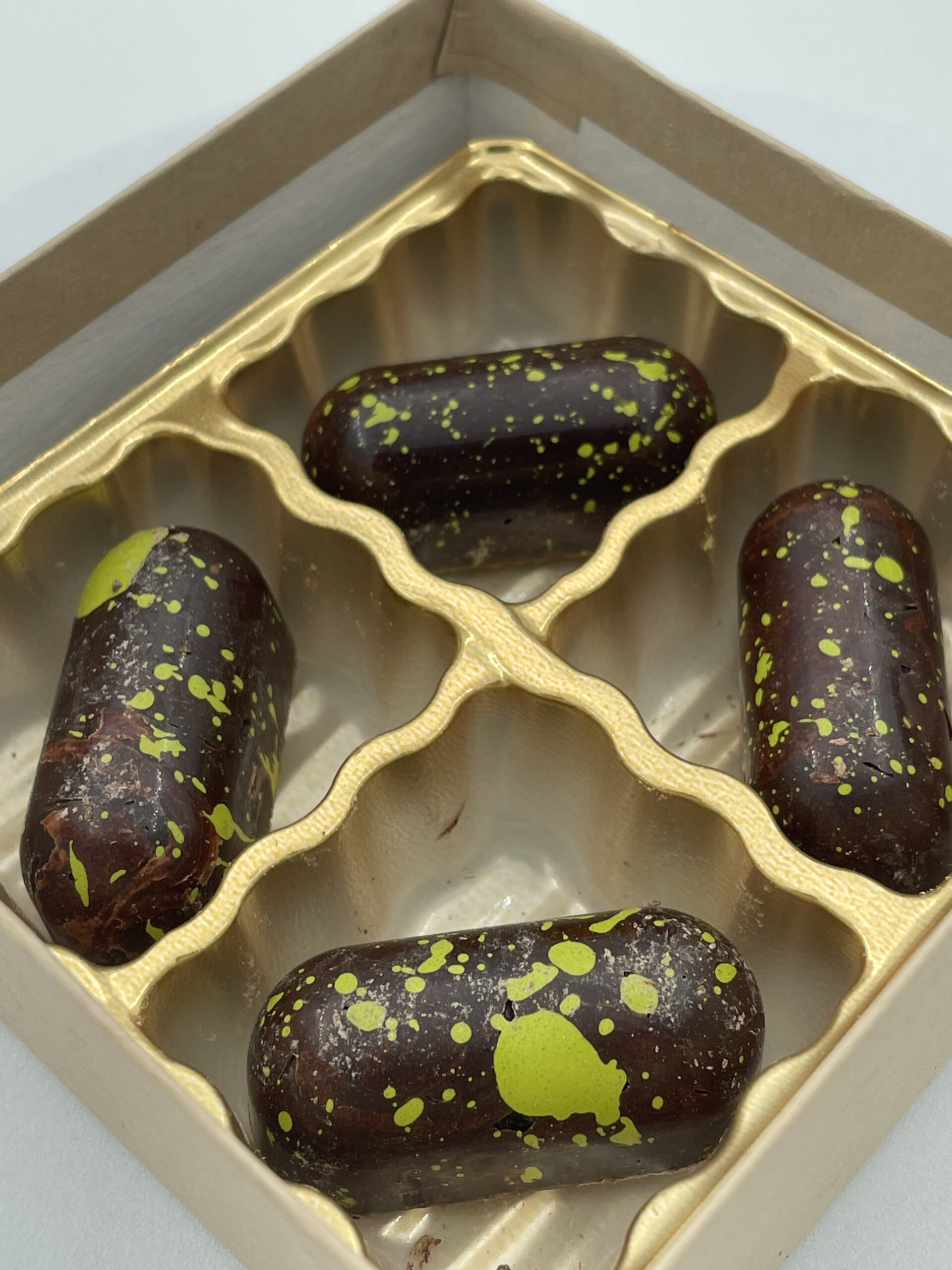
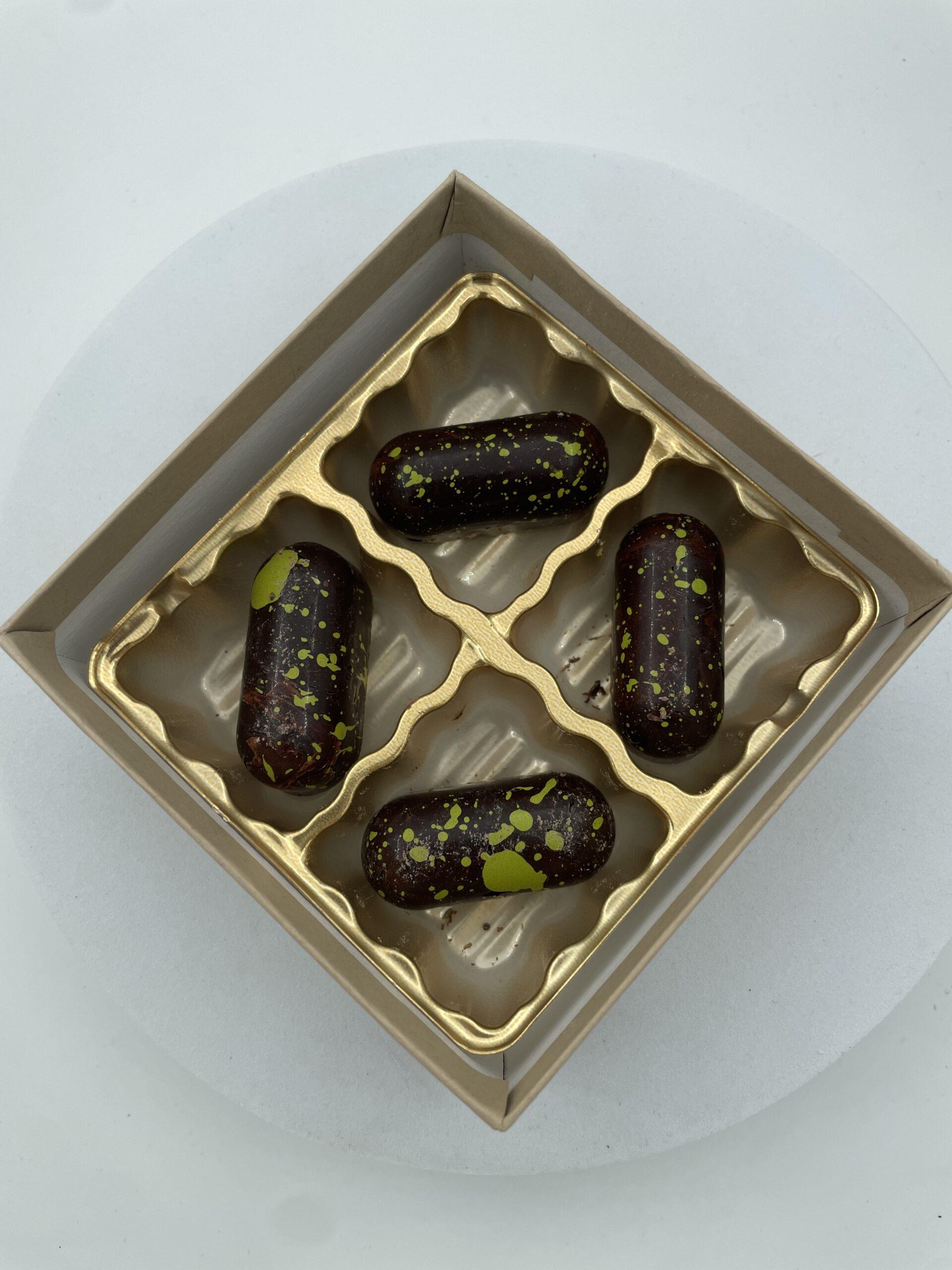
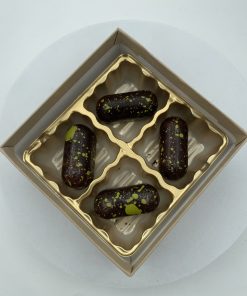
Shroom Chocolate Bites are small, chocolate-based edible products infused with mushroom ingredients, typically sold in packs of individually portioned squares or truffle-style pieces. They appeal to adults who want a discreet, great-tasting alternative to chewing dried mushroom material or swallowing capsules. This guide explains what these bites are, how they differ from raw mushroom products, what to check before buying, and how to store and use them responsibly.
If you are shopping for a trustworthy supplier, start with a licensed, transparent retailer such as Zombie Shrooms Store, where ingredient labeling, potency per piece, and shipping policies should be clearly stated before you add anything to your cart.
What Are Shroom Chocolate Bites?
Shroom Chocolate Bites combine finely ground or extracted mushroom material with chocolate — usually dark, milk, or a vegan alternative — and set it into small, pre-dosed pieces. The chocolate serves two practical purposes: it masks the earthy, fibrous texture of dried mushrooms, and it delivers a consistent dose per bite when the manufacturer blends carefully.
The category spans several distinct products, and the label determines which one you are actually buying:
- Functional or culinary mushroom chocolates made with legal species such as lion’s mane, reishi, chaga, or cordyceps. These are sold as wellness or gourmet confections and are widely available in the United States.
- Psilocybin-containing chocolates, which are regulated differently and remain illegal at the federal level in the U.S. outside of specific state-regulated frameworks. Legal status varies by state and locality and continues to change, so verify current local law before purchasing.
- Blended products that combine several mushroom species for flavor and function, sometimes with added adaptogens or sweeteners.
Because “mushroom chocolate” is an umbrella term, the single most important buying step is reading the ingredient panel and the species list. A product that names its species, states the amount per piece, and provides batch or lab documentation is usually more reliable than one that relies on vague marketing language.
Why Format Matters for Dosing
Chocolate holds its shape and divides easily, which makes portion control simpler than with loose powder. If a bar or bag lists total mushroom content, divide by the number of pieces to estimate a single serving. Pre-scored squares are helpful because they let you start with a smaller amount and adjust.
Flavor, Texture, and Shelf Life
Cocoa butter and cocoa solids both carry strong flavor, so quality chocolate hides earthy notes well. Dark chocolate tends to mask more than white chocolate. Store bites in a cool, dry place away from direct sun; chocolate can bloom — a harmless grayish sheen caused by temperature swings — and mushroom compounds may degrade faster in heat and humidity.
How to Evaluate a Shroom Chocolate Bites Product Before You Buy
Commercial intent means you want decision criteria, not philosophy. Use the checklist below and compare products side by side before checkout.
1. Species and Amount Per Piece
Look for a named species and a stated quantity, such as milligrams per bite or grams per bar. Vague terms like “mushroom blend” without numbers make it impossible to compare products or estimate a serving. Reputable sellers publish this information on the product page rather than hiding it in a footnote.
2. Third-Party Testing and Batch Numbers
Independent lab testing is the clearest signal of quality control. A certificate of analysis (COA) typically covers identity confirmation, potency, heavy metals, pesticides, and microbial safety. If a seller cannot provide a batch-matched COA on request, treat that as a meaningful gap rather than a minor detail.
3. Ingredient Panel and Allergens
Chocolate products commonly contain milk, soy lecithin, tree nuts, and gluten-containing additives. Check for allergen statements if you have sensitivities, and note added sugars or sugar alcohols if you are managing intake. Fewer unnecessary fillers generally means a cleaner product.
4. Legal Status Where You Live
This is not a formality. Psilocybin remains a controlled substance under federal U.S. law, while several states and cities have decriminalized or regulated it to varying degrees. Regulations change, so confirm the current rules in your state and county rather than relying on a seller’s summary. For authoritative information on controlled substances, consult the U.S. Drug Enforcement Administration and the National Institute on Drug Abuse.
5. Shipping, Packaging, and Discretion
Ask how the product ships, whether cold-chain or heat protection is used in summer months, and what the return policy covers. Discreet packaging is standard in this category; unclear shipping terms are not.
Mushrooms in the Yard: What Home Growers Should Know
Many shoppers arrive at mushroom chocolate content after noticing fungi outdoors, which is why questions like “why do mushrooms grow in my yard” and “mushrooms growing in lawn” come up so often. The two topics are related only by name, so it helps to separate them clearly.
Why Do Mushrooms Grow in My Yard?
Mushrooms appear when fungal mycelium already living in the soil produces fruiting bodies. The mycelium feeds on decaying organic matter — buried wood, old tree roots, thatch, or compost — and fruits when conditions favor it.
Why Do I Have Mushrooms Growing in My Lawn?
The usual triggers are consistent moisture, shade, compacted or poorly drained soil, freshly laid sod, and organic debris left in place. A wet spring, heavy dew, or overwatering can produce a flush within days. In most cases, mushrooms in grass signal healthy decomposition rather than a lawn disease.
Common Lawn Mushroom Types and What They Mean
- White mushrooms in lawn, often appearing in arcs or rings, may indicate fairy ring fungi feeding on buried organic matter. Rings can also signal nitrogen imbalance in the soil.
- Thick mushrooms, broad-capped and fleshy, frequently grow near rotting stumps, roots, or wood chips.
- Small brown or tan caps scattered across turf typically follow prolonged wet weather and fade once the soil dries.
How to Reduce Mushrooms in Your Yard
If the growth bothers you, address the underlying conditions rather than the fruit. Aerate compacted soil, improve drainage, dethatch, remove buried wood where practical, water deeply but less often, and mow regularly to keep moisture from lingering. Fungicides are generally ineffective against soil-dwelling fungi because the mycelium sits well below the surface.
A Critical Safety Note
Never eat a mushroom you found growing in your lawn or garden based on an app, a photo, or a description alone. Many toxic species closely resemble edible ones, and reactions can be severe. Identification for consumption should come from a qualified mycologist, and if someone has already ingested a wild mushroom, contact Poison Control immediately. Foraging guidance from university extension programs is a better reference than social media.
Shroom Chocolate Bites vs. Other Mushroom Products
Chocolate bites occupy a specific niche. Powder is cheaper per gram but harder to dose and unpleasant to taste. Capsules are convenient and tasteless but offer no flavor experience. Gummies are portable and shelf-stable, though they often contain less mushroom material by weight and rely on gelatin or pectin. Chocolate sits in the middle: it tastes good, divides into measured pieces, and carries a meaningful payload — but it melts, has a shorter shelf life than capsules, and requires careful storage.
For buyers comparing formats, the deciding factors are usually dosing precision, taste, portability, and price per serving. If you plan to keep a product for months, capsules or gummies store better. If you want a controlled, enjoyable serving at home, bites are the practical choice. You can compare formats side by side on the product range at Zombie Shrooms Store to see how dosing and pricing differ across categories.
How to Use and Store Shroom Chocolate Bites
Treat these products like any edible with an active ingredient: start low, go slowly, and avoid stacking them with alcohol or other substances. Effects, when present, typically take longer to appear through digestion than through other routes, so resist the urge to take more after twenty minutes.
Storage guidelines:
- Keep bites in the original sealed packaging or an airtight container.
- Store below room temperature, ideally in a cool cupboard, and refrigerate during hot months.
- Keep away from direct light and strong odors, which chocolate absorbs readily.
- Check the best-by date and inspect for mold, off smells, or unusual texture before consuming.
Adults only, and not for anyone pregnant, nursing, taking prescription medication, or managing a psychiatric or cardiac condition without medical guidance. If you are unsure whether a product is appropriate for you, ask a healthcare professional first.
Frequently Asked Questions
1. What exactly are Shroom Chocolate Bites?
They are chocolate confections infused with mushroom ingredients, formed into small pre-portioned pieces. Some contain legal culinary or functional species; others contain psilocybin, which is federally illegal in the U.S. outside specific state frameworks. The label tells you which.
2, Are Shroom Chocolate Bites legal to buy in the United States?
Products made with legal species like lion’s mane or reishi are generally sold as foods or supplements. Psilocybin-containing products are not federally legal, and state and local rules vary and change. Confirm your local law before ordering, and check federal sources such as the DEA for current scheduling information.
3. Why do mushrooms keep growing in my lawn?
Because mycelium is already present in the soil and conditions favor fruiting: moisture, shade, compacted soil, and decaying organic matter such as buried roots or wood chips. Improving drainage and removing debris usually reduces flushes over time.
4. How much Shroom Chocolate Bites should I take?
There is no universal dose. Serving size depends on the species, the amount per piece, and your own tolerance. Begin with the smallest portion the label describes and wait before taking more. If a product does not state its per-piece content, that is a reason to look elsewhere.
5. How should I store chocolate edibles?
Keep them cool, dark, and airtight. Refrigeration helps in warm climates, and a sealed container prevents both moisture damage and odor transfer. Discard anything showing mold or an unusual smell.
6. Can I eat mushrooms I find in my yard?
No. Never consume a wild mushroom based on appearance or an app. Misidentification can be dangerous, and several toxic species resemble edible ones. Contact Poison Control immediately if ingestion has occurred.
Be the first to review “Shroom Chocolate Bites”
You must be logged in to post a review.
Related products
Buy Dried Magic Mushrooms USA
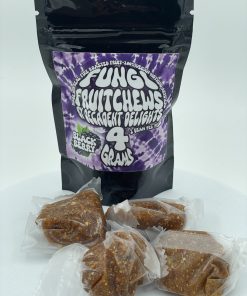
Buy Mushroom Gummies USA
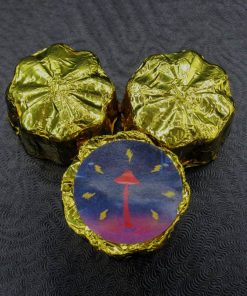
Buy Mushroom Chocolates bars
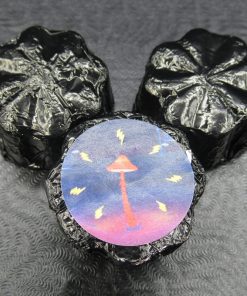
Buy Mushroom Chocolates bars
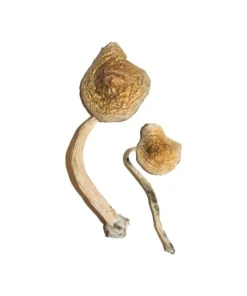
Buy Dried Magic Mushrooms USA
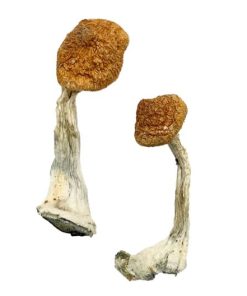
Buy Dried Magic Mushrooms USA
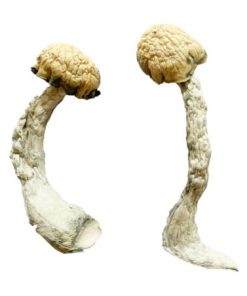
Buy Dried Magic Mushrooms USA
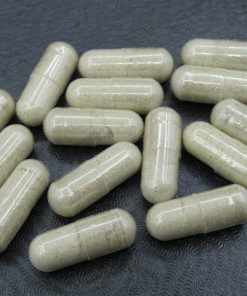
Buy Shrooms Capsules Online
Reviews
There are no reviews yet.