
Peach Slushie Flower: Understanding Cannabis Quality, Labels, and US Laws
Peach Slushie Flower has a name that invites questions about fruity aromas, cannabis varieties, and what consumers should expect from a flower product. However, a memorable name provides only part of the information needed to evaluate cannabis. The producer, batch label, laboratory results, and applicable state laws matter much more than branding alone.
For readers in the United States, researching cannabis often involves several questions at once. What does a flower name tell you? How can you compare product quality? What is the legal age for marijuana? Does permission to purchase cannabis also mean permission to grow it?
This guide explains how to assess a product marketed as Peach Slushie Flower without assuming unverified genetics, potency, or effects. It also addresses common searches about Maryland, North Carolina, Georgia, and home cultivation.
Legal information reviewed October 4, 2026. Cannabis rules vary by jurisdiction and can change. Confirm current requirements before purchasing, possessing, transporting, or cultivating a product.
What Is Peach Slushie Flower?
In cannabis retail terminology, “flower” generally refers to the harvested flowering material of the cannabis plant. Product names can identify a cultivar, a producer’s selection, or a branded offering. They do not function as standardized laboratory descriptions.
For Peach Slushie Flower, the name alone does not establish its parent strains, THC percentage, CBD content, terpene profile, or cultivation method. It also does not establish whether a particular listing represents marijuana flower or a product marketed under hemp rules.
A useful product description should therefore distinguish verified information from promotional language. If a producer supplies documented lineage, that information can be attributed to the producer. If a laboratory report identifies cannabinoid concentrations, those results should match the batch being described.
Without those records, specific claims such as “high-THC hybrid,” “indica-dominant,” or “ideal for sleep” would be assumptions.
Does the Name Mean It Contains Peach?
A fruit-inspired cannabis name does not prove that the flower contains peaches, peach extract, or added flavoring. Names may describe a perceived aroma, refer to branding, or reflect a breeder’s naming convention.
If a product contains added ingredients, its ingredient disclosure should identify them. Consumers should ask whether they are reviewing unaltered flower, infused flower, or another preparation. These distinctions affect how a product should be understood and compared.
The practical question is straightforward: What does the packaging actually confirm?
How to Evaluate Peach Slushie Flower Before Making a Decision
A useful educational product page helps readers understand the evidence behind a listing. Attractive photographs and descriptive names can draw attention, but they cannot replace traceable product information.
Check the Producer and Batch Details
Look for a clearly identified producer, a batch or lot number, and relevant packaging information. Where a regulated cannabis program applies, confirm that the seller operates through the appropriate licensed system.
Batch identification matters because products sharing the same name may differ between harvests. A laboratory report for an earlier batch does not automatically describe the flower currently offered.
If the listing does not identify the producer or provide supporting documentation, ask for clarification before relying on its claims.
Read the Certificate of Analysis
A certificate of analysis, often shortened to COA, records the results of particular laboratory tests. Depending on the jurisdiction and testing program, it may include cannabinoid measurements and screening for specified contaminants.
Check whether the report identifies the laboratory, testing date, sample, and batch. Also distinguish a cannabinoid-only report from a broader compliance report. A document that measures THC does not necessarily establish that the product passed every relevant contaminant test.
Terms such as “lab tested” are most useful when the actual report is available and its scope is clear.
Compare Relevant Information
When comparing Peach Slushie Flower with another product, use equivalent information. Compare the same package weights, current batch results, and clearly disclosed product types.
A higher advertised cannabinoid percentage does not automatically establish better quality. Likewise, an unusually low price does not explain freshness, testing, or provenance. Clear documentation makes comparisons more meaningful than promotional adjectives.
For further educational exploration, visit zombieshroomsstore.com and assess any product information alongside current regulatory guidance.
Aroma, Appearance, and the Limits of Product Descriptions
Cannabis descriptions frequently mention fruit, citrus, earth, herbs, or sweetness. These words describe sensory impressions rather than guaranteed ingredients or outcomes.
If a producer describes Peach Slushie Flower as peach-like, that description should be presented as the producer’s account unless independently documented. A verified terpene report can provide additional chemical information, but it still does not guarantee that every person will perceive the same aroma.
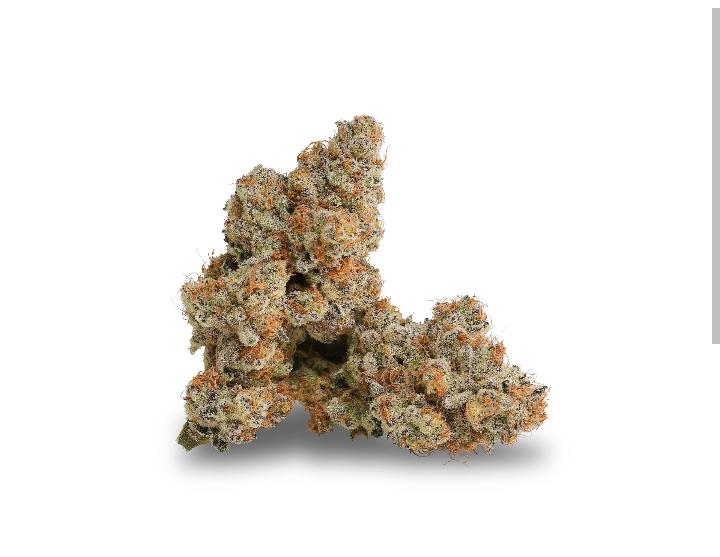
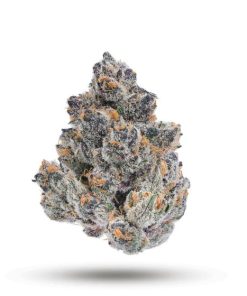
Appearance also has limits. Color, visible resin, and bud structure may help describe a sample, but photographs cannot confirm its cannabinoid content or rule out contamination.
Avoid Treating Sensory Language as a Medical Claim
An aroma description should not become a promise about anxiety, pain, sleep, or another health concern. A cultivar name and pleasant scent do not establish a treatment effect.
Product content should explain what is known, identify what remains unverified, and let readers make informed comparisons. If someone is considering cannabis for a medical concern, qualified clinical advice is more appropriate than relying on retail descriptions.
Hemp and Marijuana: Why Product Classification Matters
Hemp and marijuana terminology can create confusion because similar-looking flower may be marketed under different legal frameworks. A retailer’s chosen wording does not, by itself, settle the product’s legal status.
Consumers need to consider the relevant cannabinoid measurements, applicable definitions, state restrictions, and rules governing the particular product format. A claim that something is “hemp” should not be interpreted as universal permission to purchase, possess, ship, or grow it.
Similarly, “THCA flower” is a marketing description that requires closer examination. Readers should review the underlying laboratory information and the rules applying at their location rather than assuming the term creates a nationwide exception.
For Peach Slushie Flower, the appropriate starting point is its actual documentation. Determine what the product is before drawing conclusions about where it may lawfully be available.
What Is the Legal Age for Marijuana?
For adult-use cannabis purchases in states with regulated recreational markets, the minimum age is generally 21. Medical programs operate under separate eligibility and registration rules.
Maryland illustrates that distinction: adult-use purchases require buyers to be at least 21, while individuals aged 18 or older may register for its medical program when they meet the program’s requirements. Being 18 alone does not authorize an adult-use purchase. cannabis.maryland.gov
The phrase legal age for marijuana therefore needs context. A reader should identify the state, whether the purchase is medical or adult-use, and whether registration or caregiver requirements apply.
Can You Buy Weed at 18?
If you are asking, “Can you buy weed at 18?”, there is no universal yes.
An 18-year-old does not qualify for Maryland’s adult-use market merely by being an adult. Medical access follows a separate process involving the state program. Other jurisdictions have their own requirements, which should be checked directly.
Online availability does not remove age restrictions. A website allowing someone to view a listing does not establish that the visitor is legally eligible to purchase the product.
Is Marijuana Legal in Maryland?
Yes, Maryland permits adult-use cannabis for people aged 21 and older, subject to its rules. Legalization does not remove restrictions on purchasing, possession, public use, or transportation.
The state also allows limited home cultivation. Its adult-use limit is two plants per household, rather than two plants for every adult resident. Qualifying registered medical patients may have additional cultivation rights, subject to the applicable household limit.
Readers researching “is marijuana legal in Maryland” should consult the Maryland Cannabis Administration’s adult-use FAQs for current requirements.
These rules do not establish whether a particular Peach Slushie Flower listing is licensed, compliant, or available through Maryland’s regulated market. Product availability and legal eligibility require separate verification.
North Carolina Weed Laws: Understand the Jurisdiction
North Carolina weed laws should not be inferred from nearby states or online advertising. State policy, hemp regulation, and tribal jurisdiction are separate considerations.
North Carolina’s 2026 cannabis advisory materials describe marijuana as illegal under state law outside tribal jurisdiction, while identifying a different legal framework within the Eastern Band of Cherokee Indians’ Qualla Boundary. That distinction does not create statewide legalization. DRAFT
A product legally available in one jurisdiction is not automatically legal elsewhere. Readers should be especially careful about assuming that permission to purchase includes permission to carry it beyond that jurisdiction.
For anyone researching Peach Slushie Flower in North Carolina, the important question is whether the actual product and proposed activity comply with the rules at the specific location.
Legalizing Weed in GA: Medical Access and Adult Use Differ
Searches about legalizing weed in GA often combine proposed legislation, medical access, and recreational legalization. These are different subjects.
Georgia’s official guidance states that recreational marijuana remains illegal. It also describes medical-program changes effective July 1, 2026, including authorized medical cannabis flower for vaporization through the regulated program. Smoking remains prohibited, and the changes do not authorize personal home cultivation. FAQs
For the latest program explanation, consult the Georgia Access to Medical Cannabis Commission’s FAQs.
An older statement that Georgia permits only low-THC oil may omit important program changes. Conversely, a headline about expanded medical access should not be interpreted as unrestricted recreational legalization.
A product name alone cannot establish that Peach Slushie Flower qualifies for Georgia’s medical program.
Is Growing Weed Legal?
The answer to “is growing weed legal?” depends on where you live and which legal program applies. Permission to purchase cannabis does not necessarily include permission to cultivate it.
Home-growing rules may address minimum age, plant limits, visibility, security, patient registration, property-owner restrictions, and local requirements. A personal-use allowance also does not automatically authorize commercial sales.
In What States Is Growing Weed Legal?
People searching “in what states is growing weed legal” should distinguish adult-use cultivation from medical cultivation.
California and Maryland provide two examples of jurisdictions permitting adult home cultivation under specified conditions. California’s regulator describes an allowance of up to six plants for adults aged 21 or older, with relevant local requirements. Maryland applies a different adult-use household limit. These examples are not a complete national list. Department of Cannabis Control
Because limits and eligibility differ, use your state regulator’s current guidance before treating any state list as permission to grow.
Is Growing Weed Illegal Even Where Cannabis Is Sold?
It can be. A jurisdiction may authorize licensed businesses to cultivate cannabis while prohibiting residents from growing it themselves.
Georgia’s current guidance makes this distinction: licensed production does not establish personal home-growing rights. FAQs
The question “is growing weed illegal?” should therefore be answered separately from whether dispensaries operate in the state.
Reading Cannabis Information With Confidence
Good educational content should make uncertainty visible. A reliable description identifies its sources, separates verified facts from impressions, and avoids claiming that one product suits everyone.
If a listing claims nationwide legality, guaranteed effects, or a precise potency without supporting records, ask for evidence. Check whether its laboratory results describe the current batch and whether its legal explanation applies to your jurisdiction.
The informal search “yes weed” is especially ambiguous: it might concern legality, availability, or a product name. A useful answer needs more context. Ask a specific question about the product, location, and activity you are considering.
You can continue exploring information through zombieshroomsstore.com, while using government sources to verify legal requirements.
A Practical Checklist for Peach Slushie Flower
Before relying on a product description, review these points:
- Identity: Who produced it, and what product type is it?
- Traceability: Does the packaging identify the current batch?
- Testing: Does the laboratory report match that batch?
- Claims: Are potency, lineage, and aroma statements supported?
- Eligibility: Do your age and any required registration qualify?
- Location: Do the rules permit the intended purchase, possession, or cultivation?
- Transparency: Are missing details clearly acknowledged?
This checklist supports informed decisions without treating branding as proof. For continued educational exploration, return to zombieshroomsstore.com and compare available information with the product’s original documentation.
Frequently Asked Questions
1. What is Peach Slushie Flower?
It is a cannabis flower product name. The name alone does not verify genetics, potency, ingredients, or effects. Those details require producer documentation and current batch testing.
2. Does Peach Slushie Flower contain peach flavoring?
Not necessarily. Fruit-inspired names may refer to perceived aroma or branding. Check the ingredient disclosure to determine whether flavoring or other ingredients have been added.
3. Can you buy weed at 18?
Being 18 does not generally qualify someone for adult-use purchases. Separate medical programs may provide access to eligible registered patients, depending on state requirements.
4. Is marijuana legal in Maryland?
Maryland permits regulated adult-use cannabis for adults aged 21 and older. Purchasing, possession, public-use, transportation, and cultivation restrictions still apply.
5. Is growing weed legal everywhere cannabis is sold?
No. Retail access and personal cultivation are separate permissions. Check the applicable state, medical-program, local, and property rules before growing.
| Quantity | Half an Ounce, 1 Ounce, QP, HP, 1 Pound |
|---|
Be the first to review “Peach Slushie Flower”
You must be logged in to post a review.
Related products
Buy Cannabis Flower USA
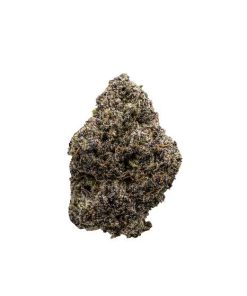
Buy marijuana Indica strain USA
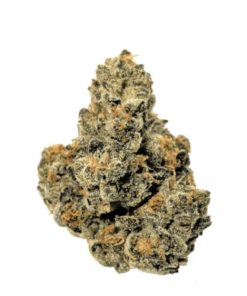
Buy Marijuana Hybrid Strain USA
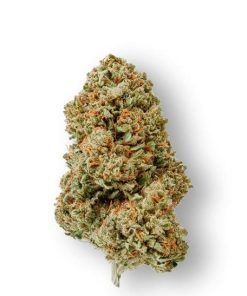
Buy Cannabis Flower USA
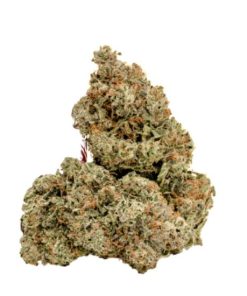
Buy marijuana Indica strain USA
Buy Marijuana Hybrid Strain USA
Buy Marijuana Hybrid Strain USA
Buy Cannabis Flower USA

Reviews
There are no reviews yet.